
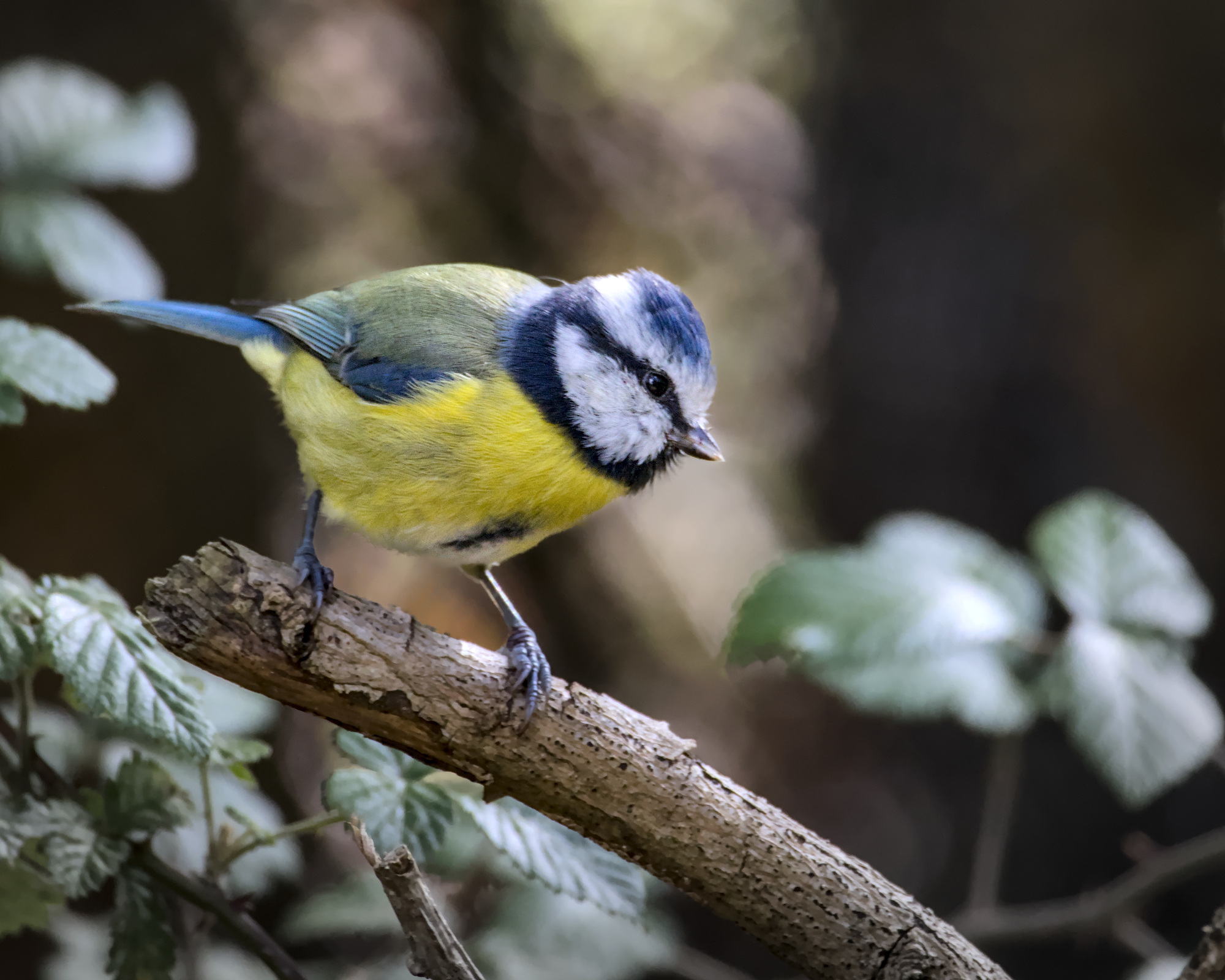
Possibly my favourite British bird. Blue tits are beautiful small birds, which so many of us take for granted. Because they are all around, we forget how great they are. People travel half way around the world to capture photos of birds that are less impressive, while ignoring our local, chirpy little blue tits.
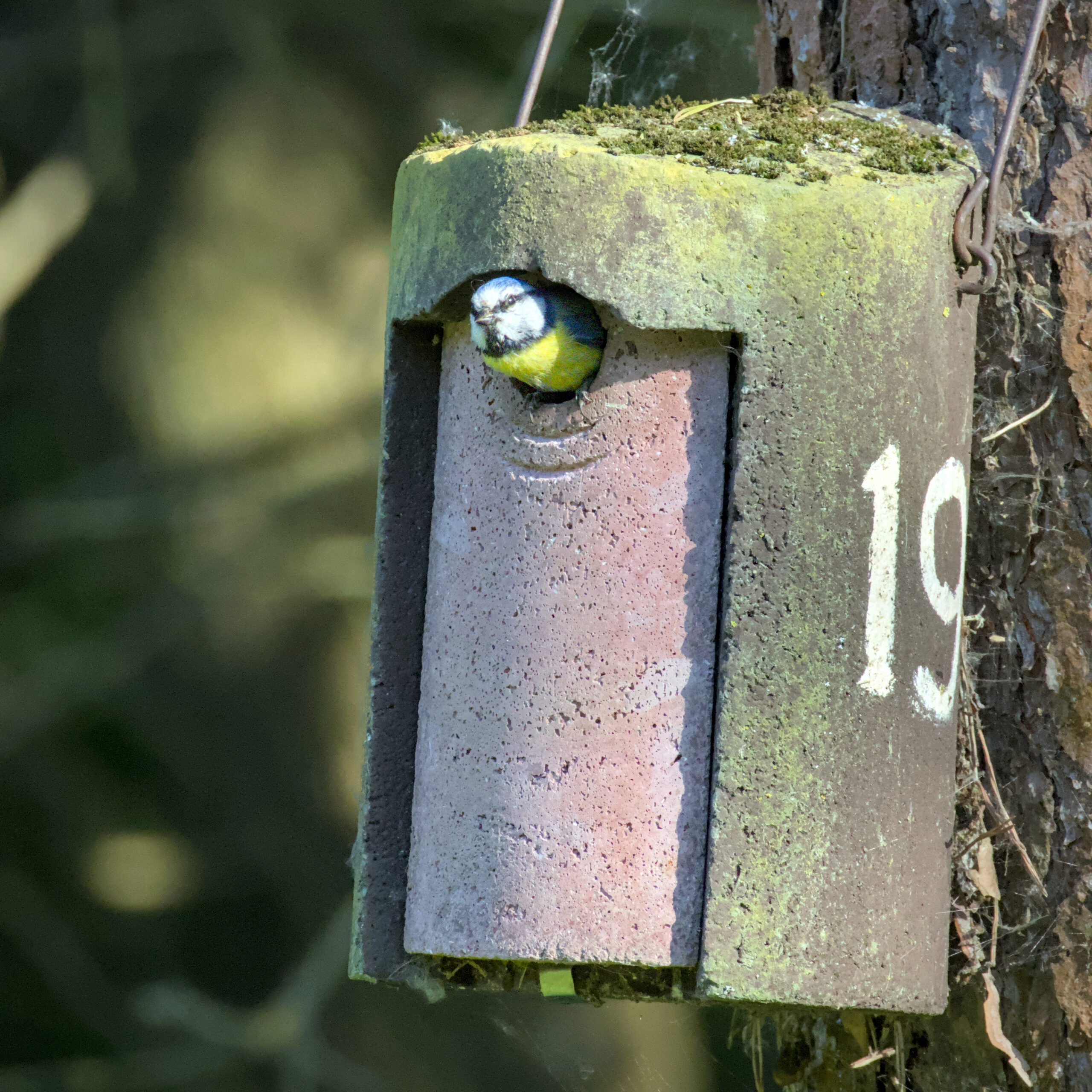
Many of these photos were taken at Phyllis Currie nature reserve in Essex. Not because the blue tits there are any better than elsewhere, but just because it is a lovely little nature reserve that is very convenient for me, as I can pop in after work, or before work if I get up early enough. It was lovely to see the blue tits using birdbox number 19 at Phyllis Currie too – they have a lovely view of the lake!
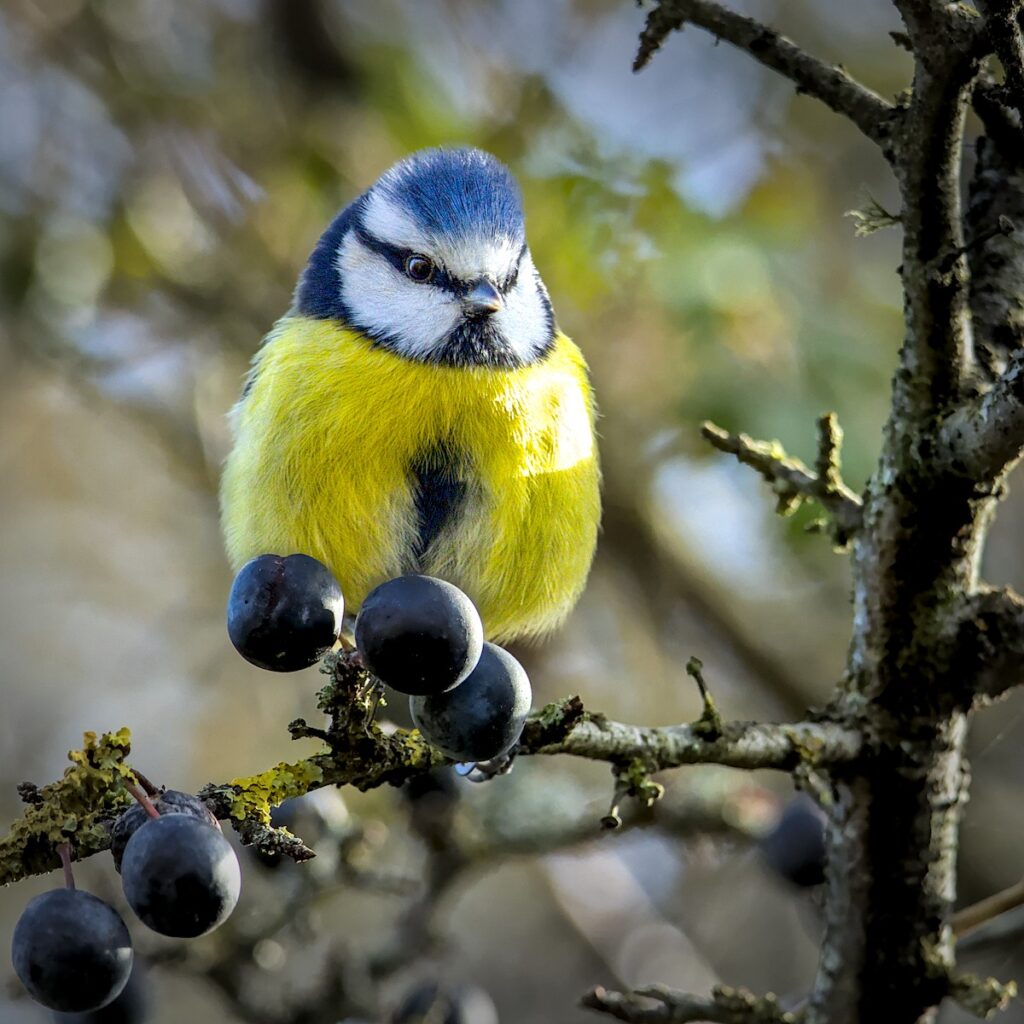
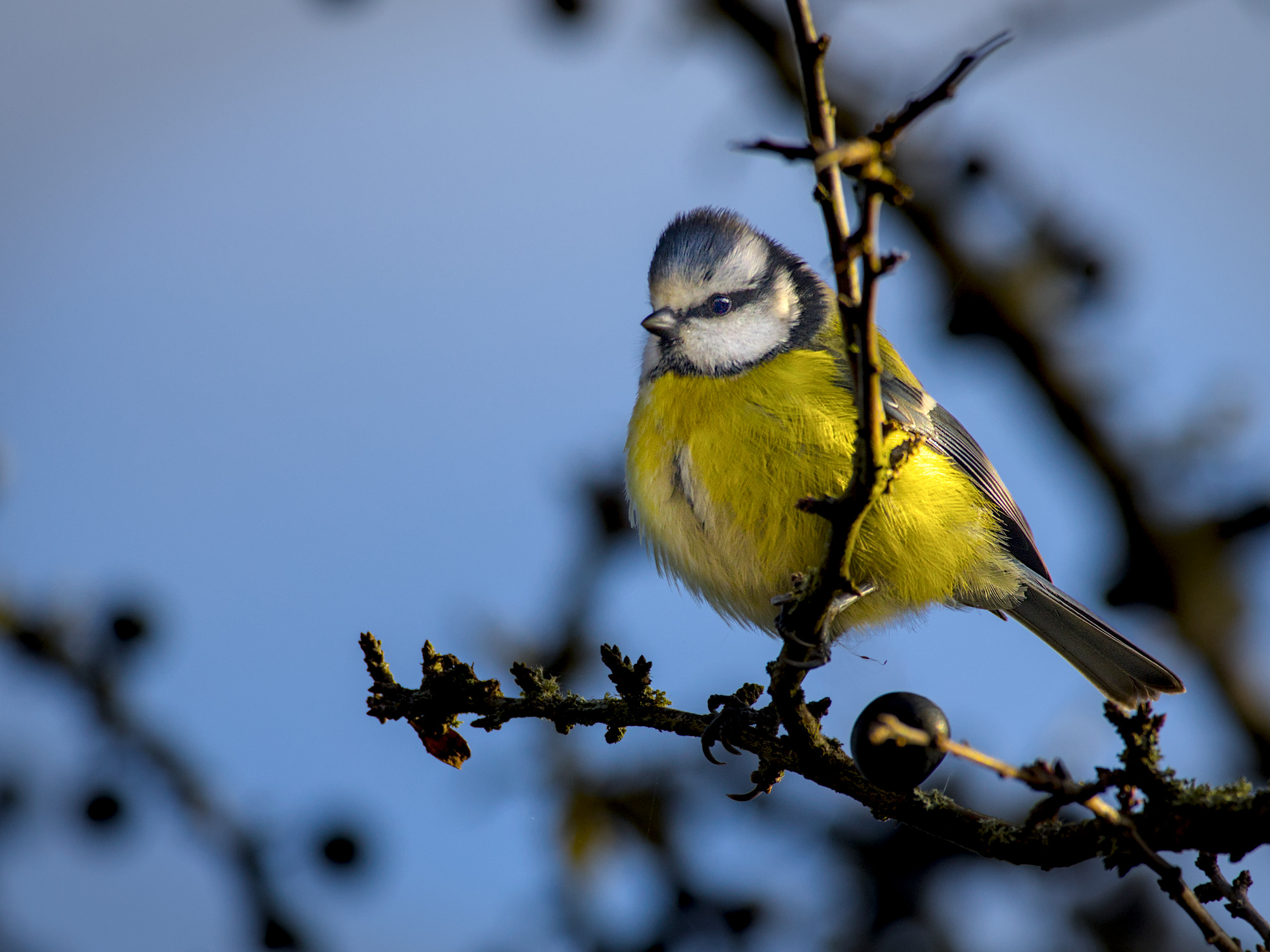
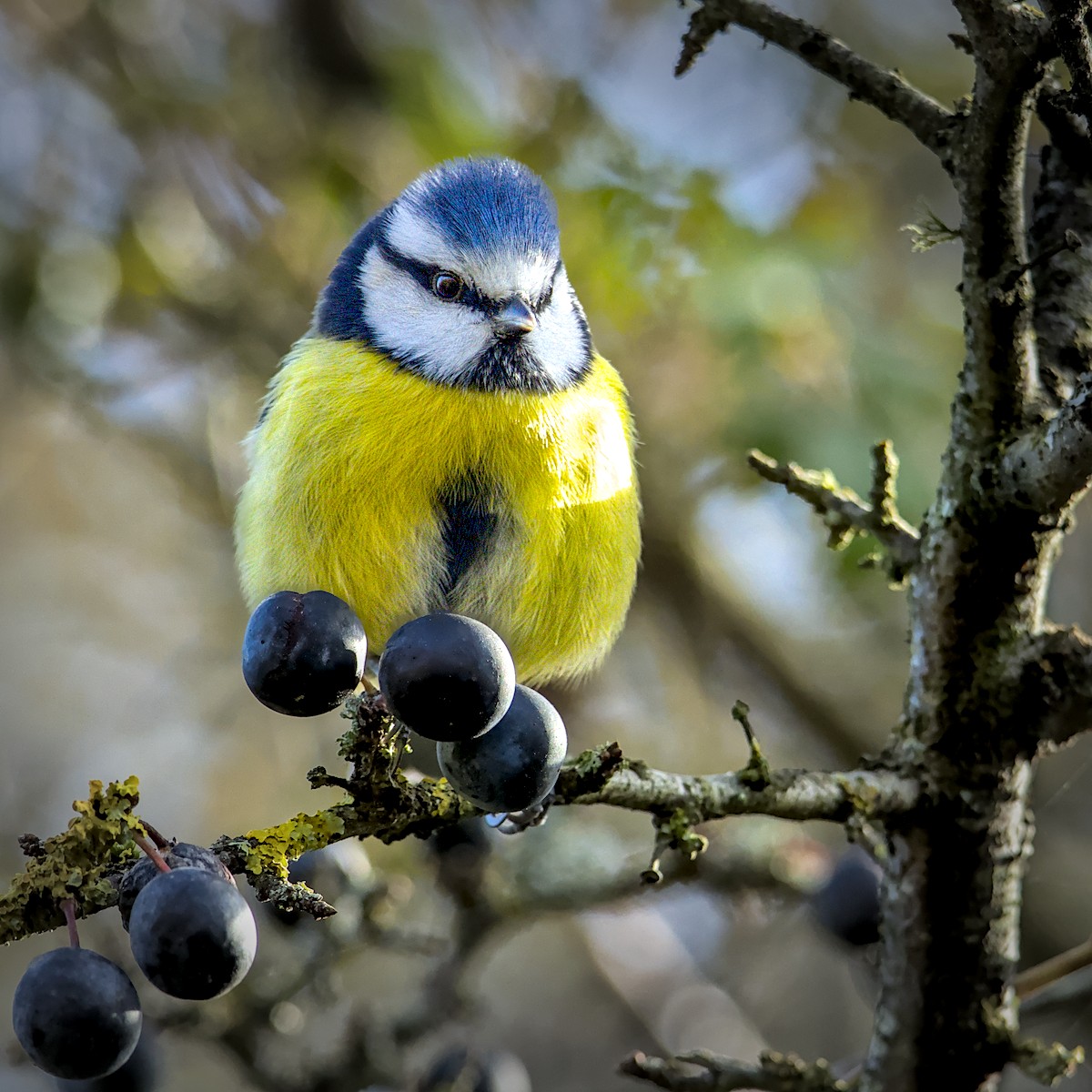
The featured image, the blue tits with the berries, which I called “Fluffed for the Cold”, scored me 19/20 at my camera club, which was nice.
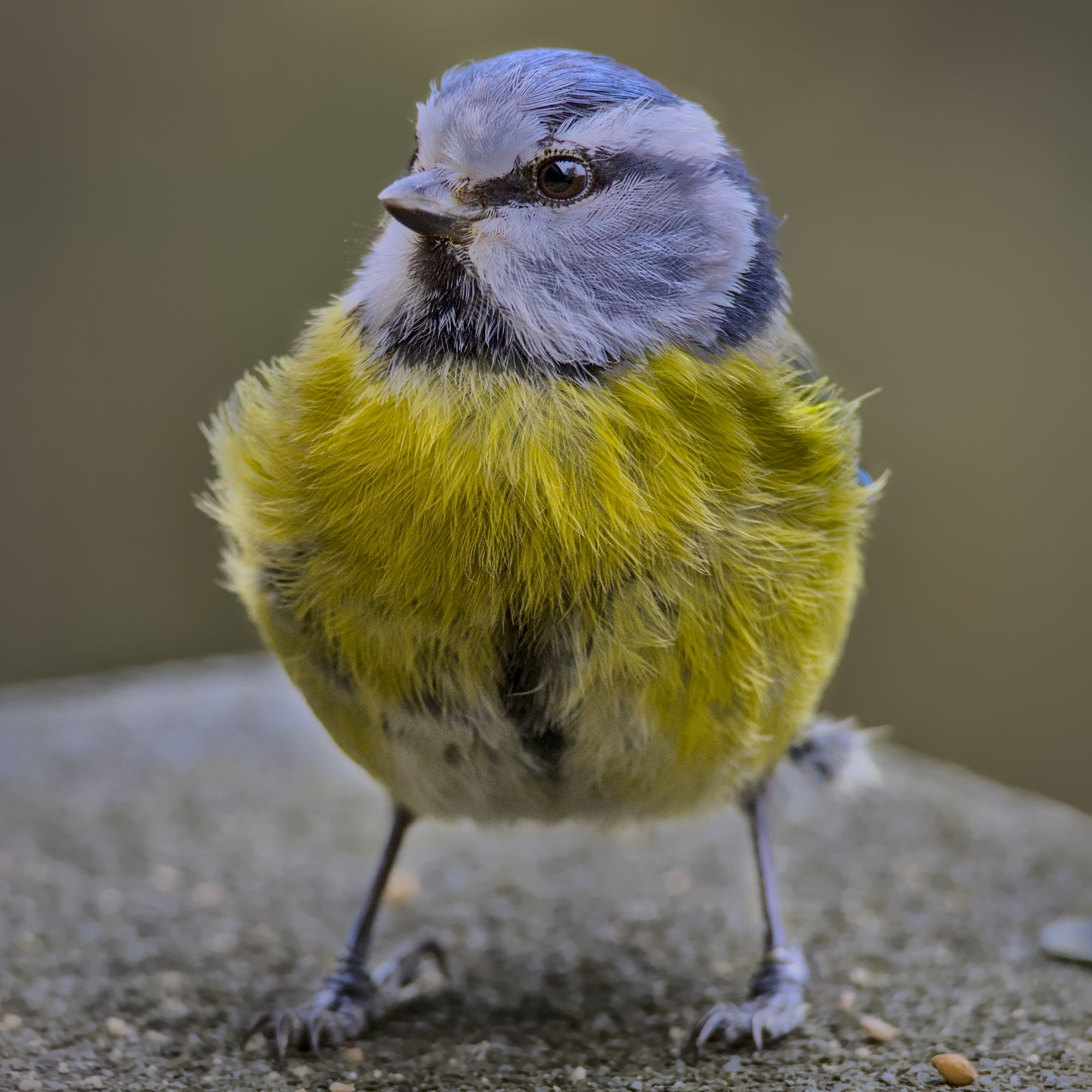
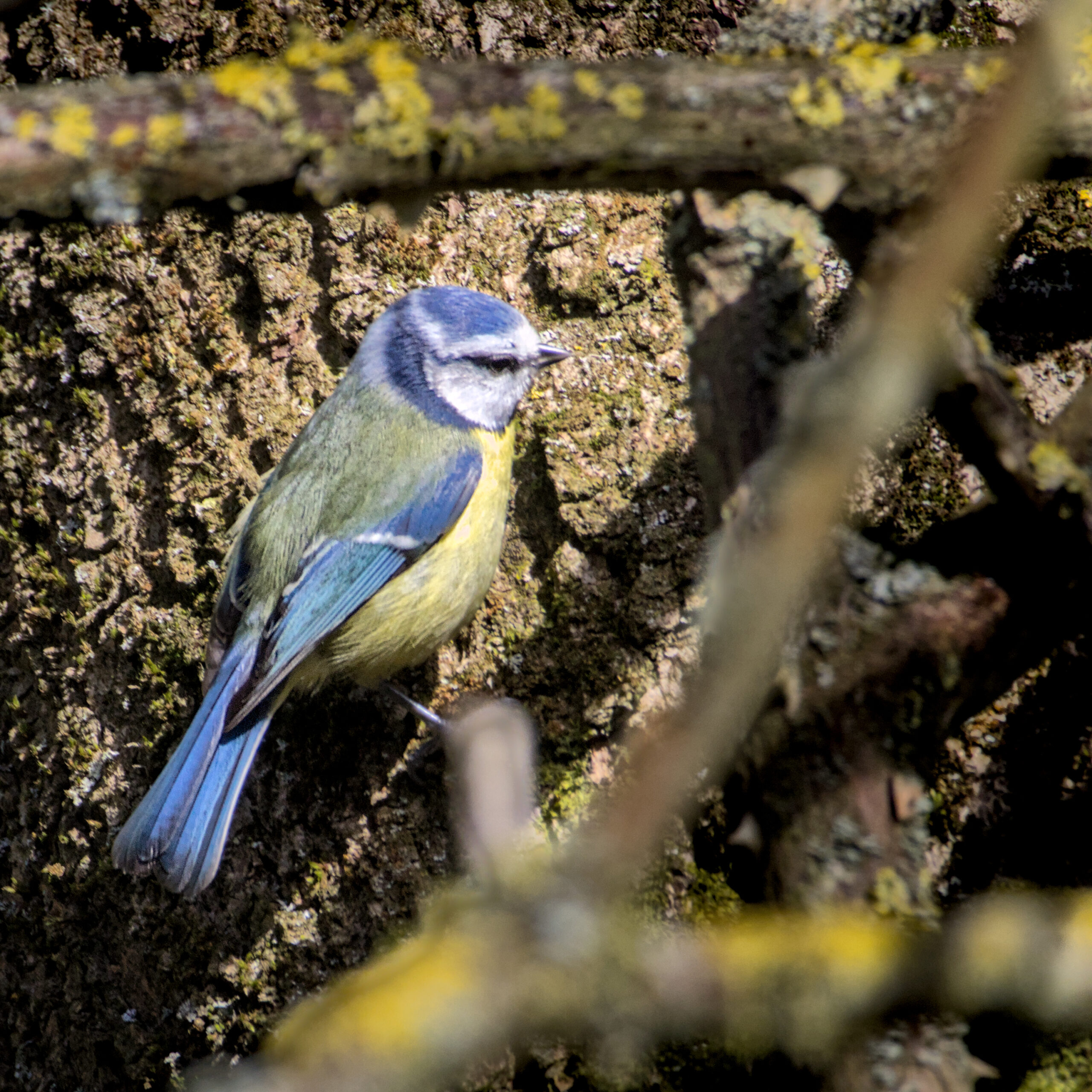
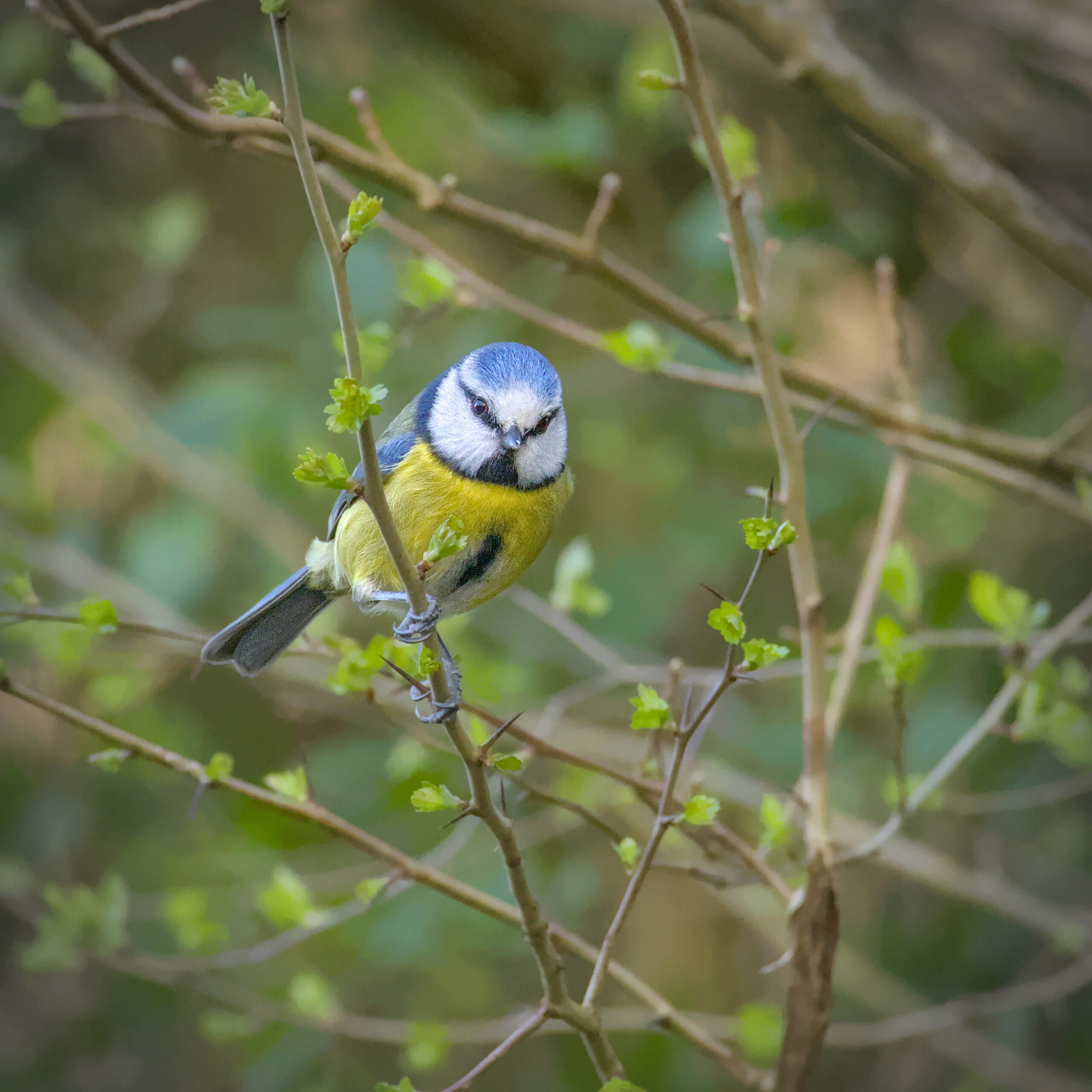
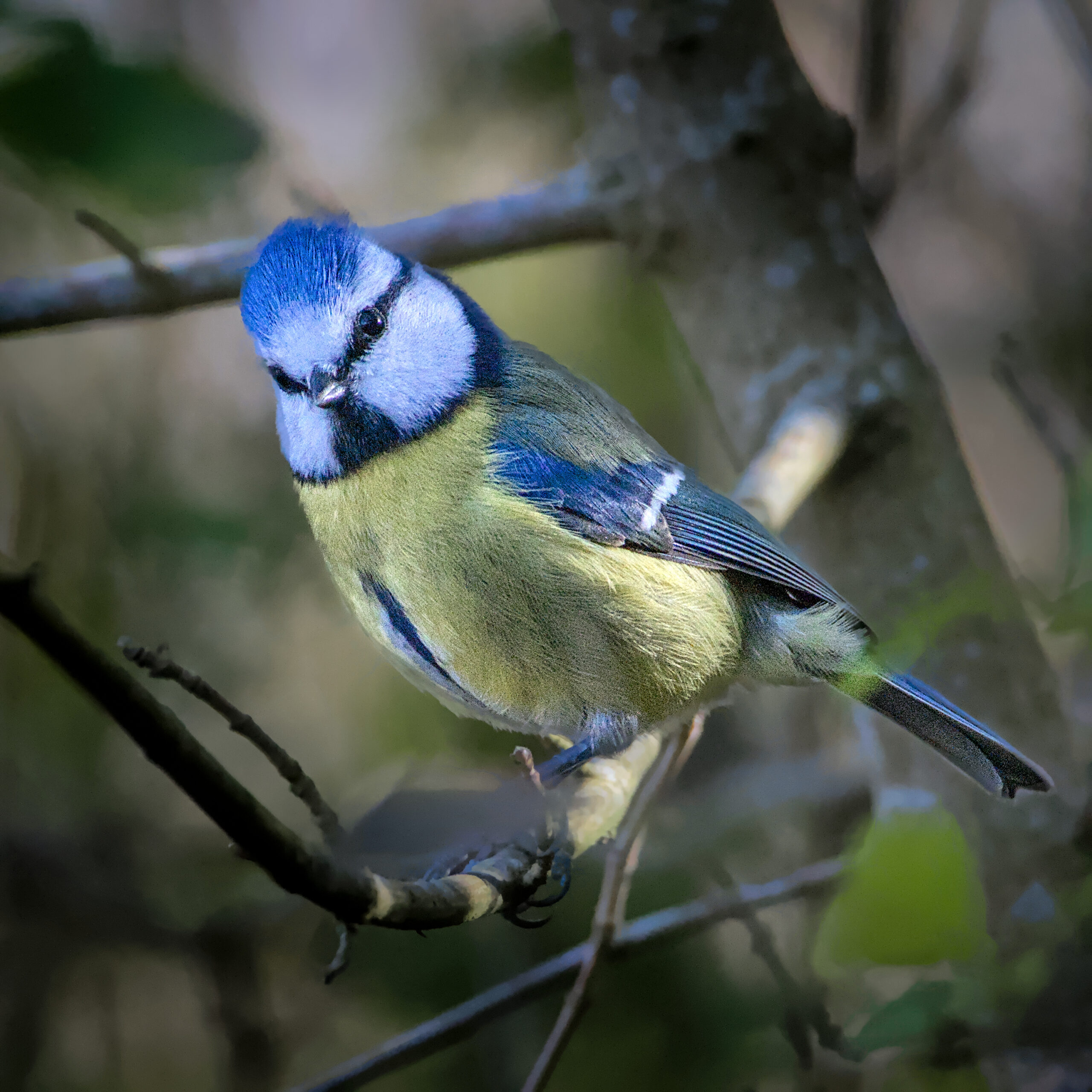
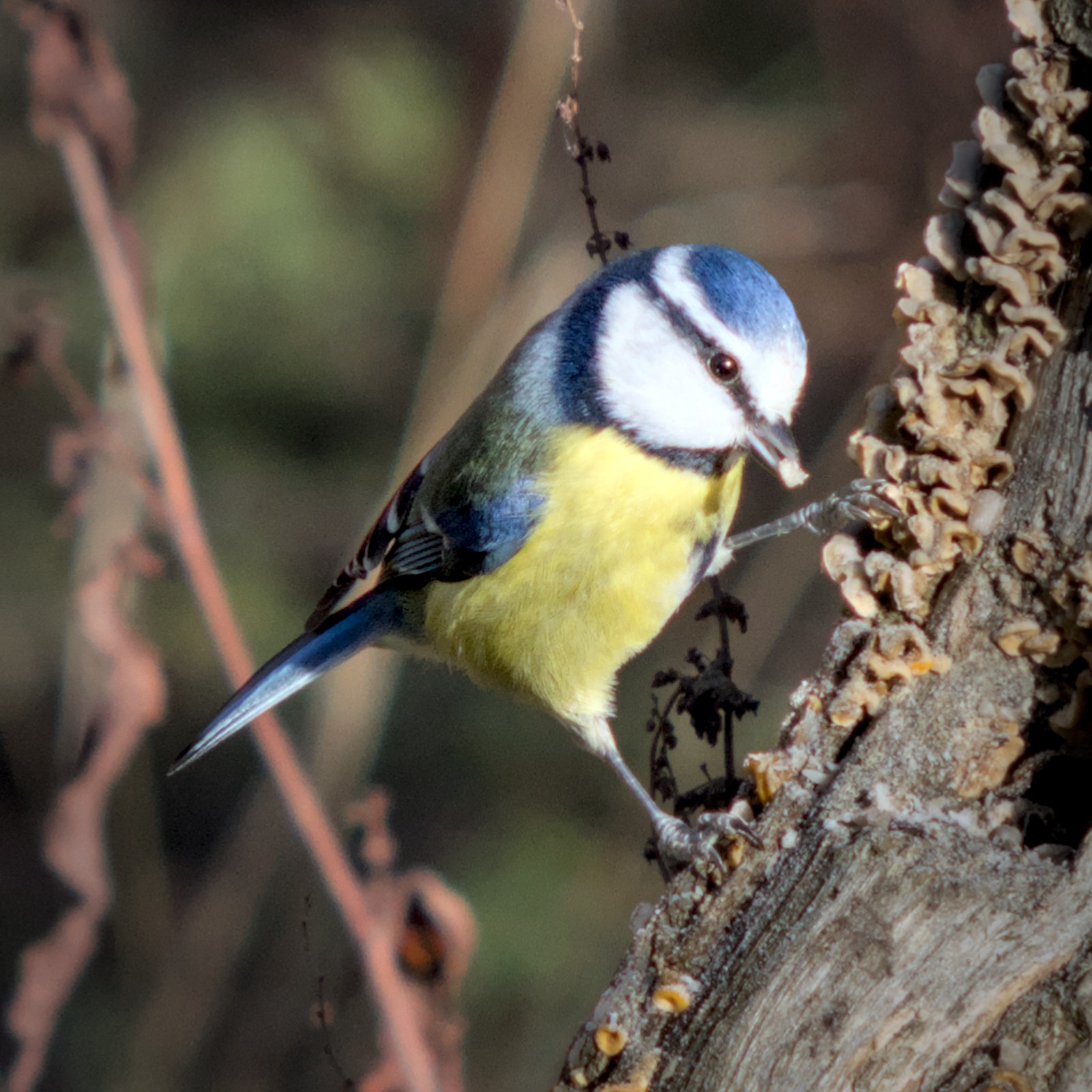
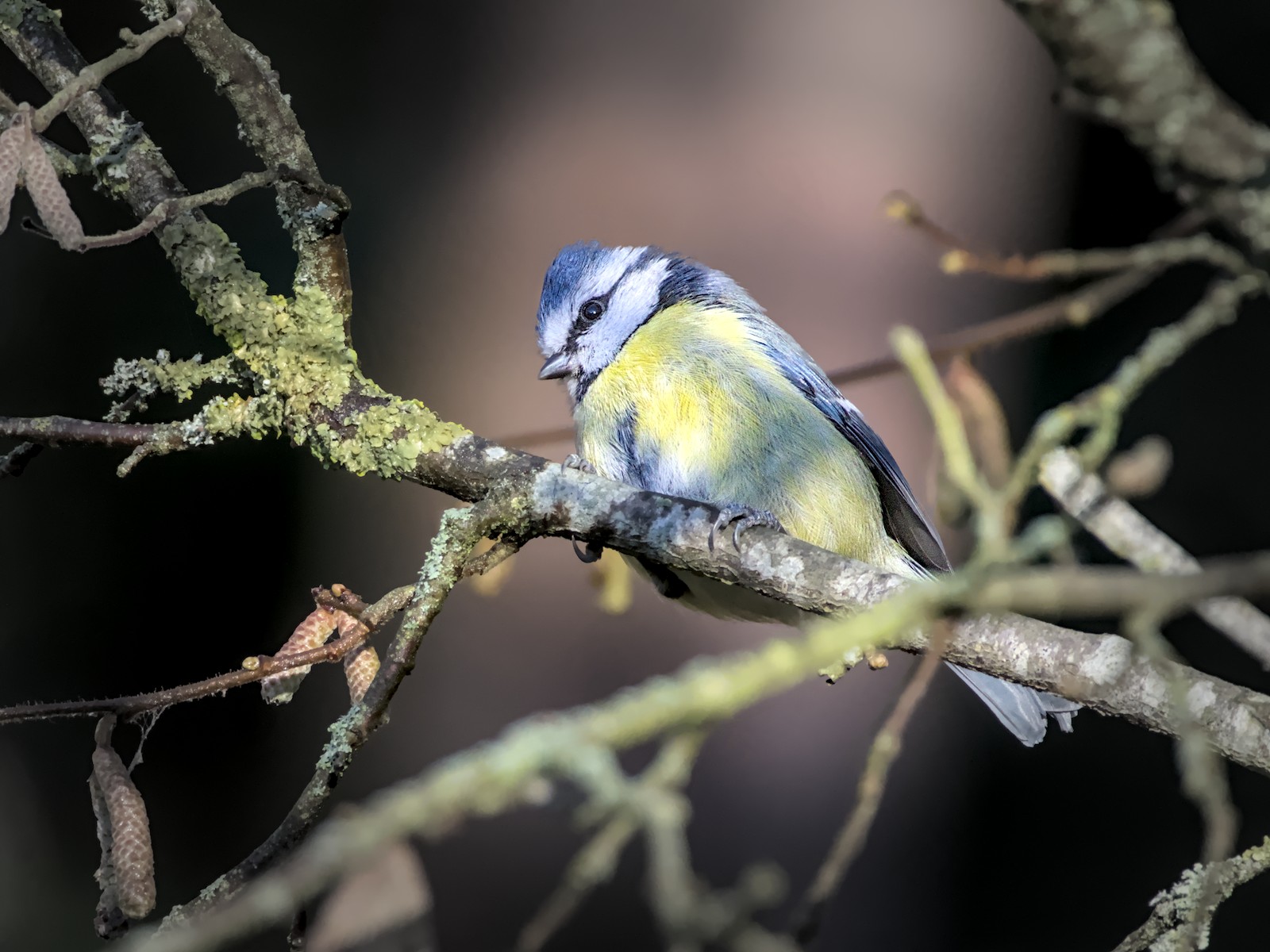
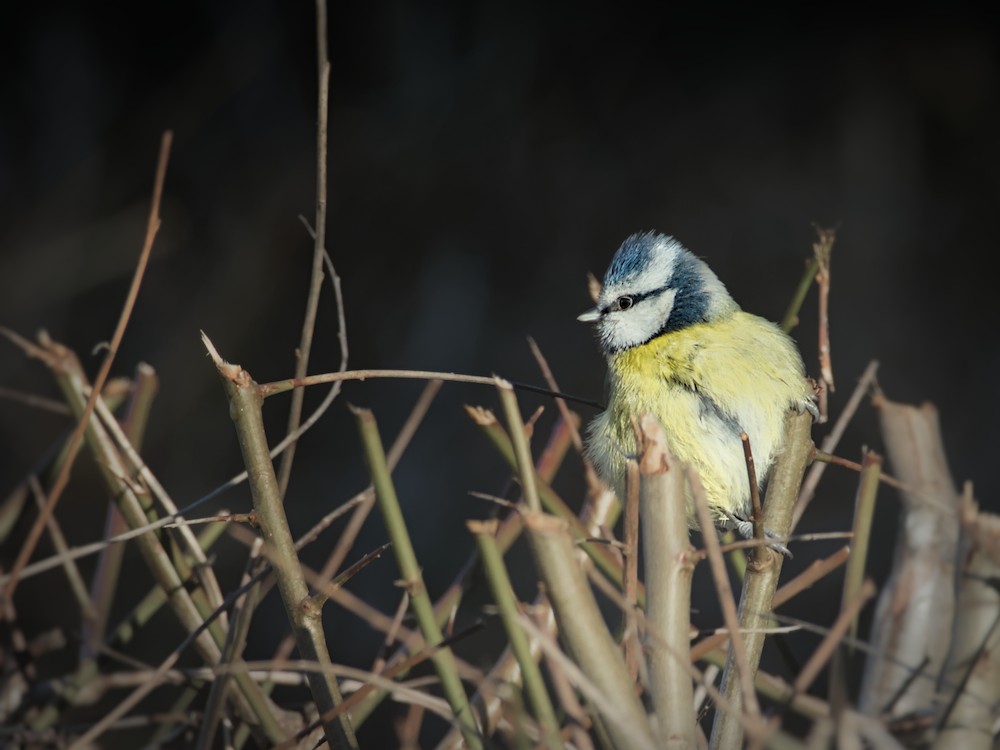
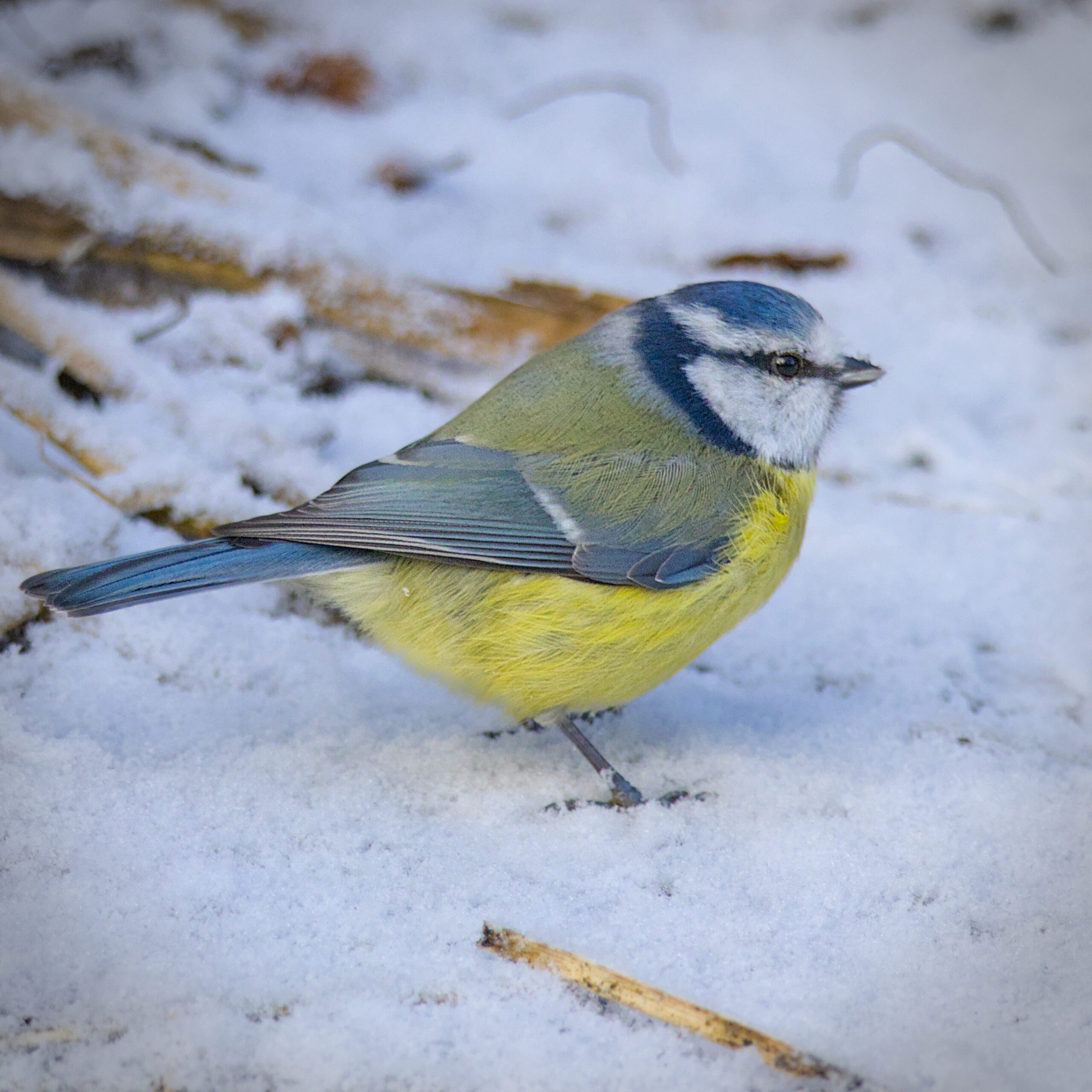
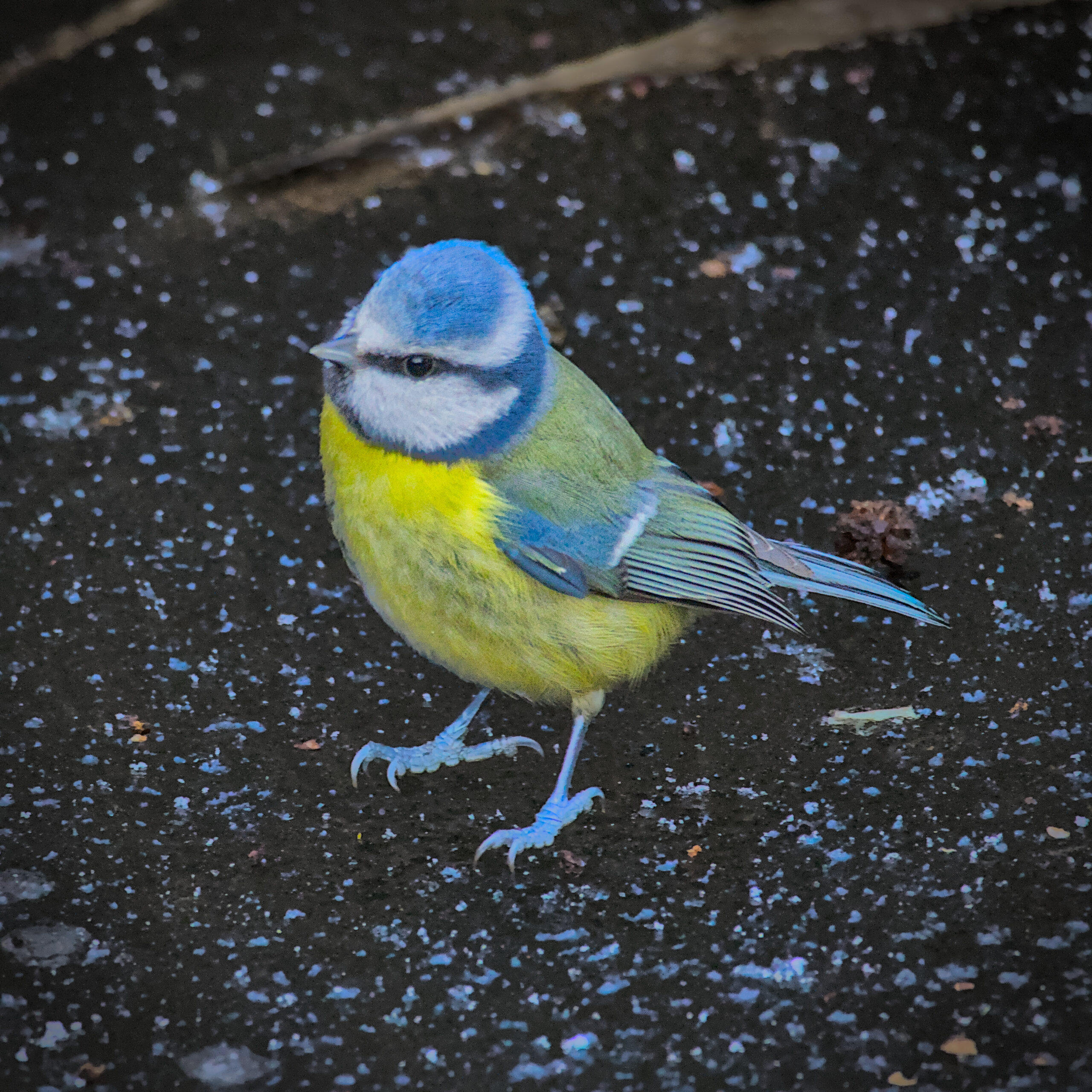
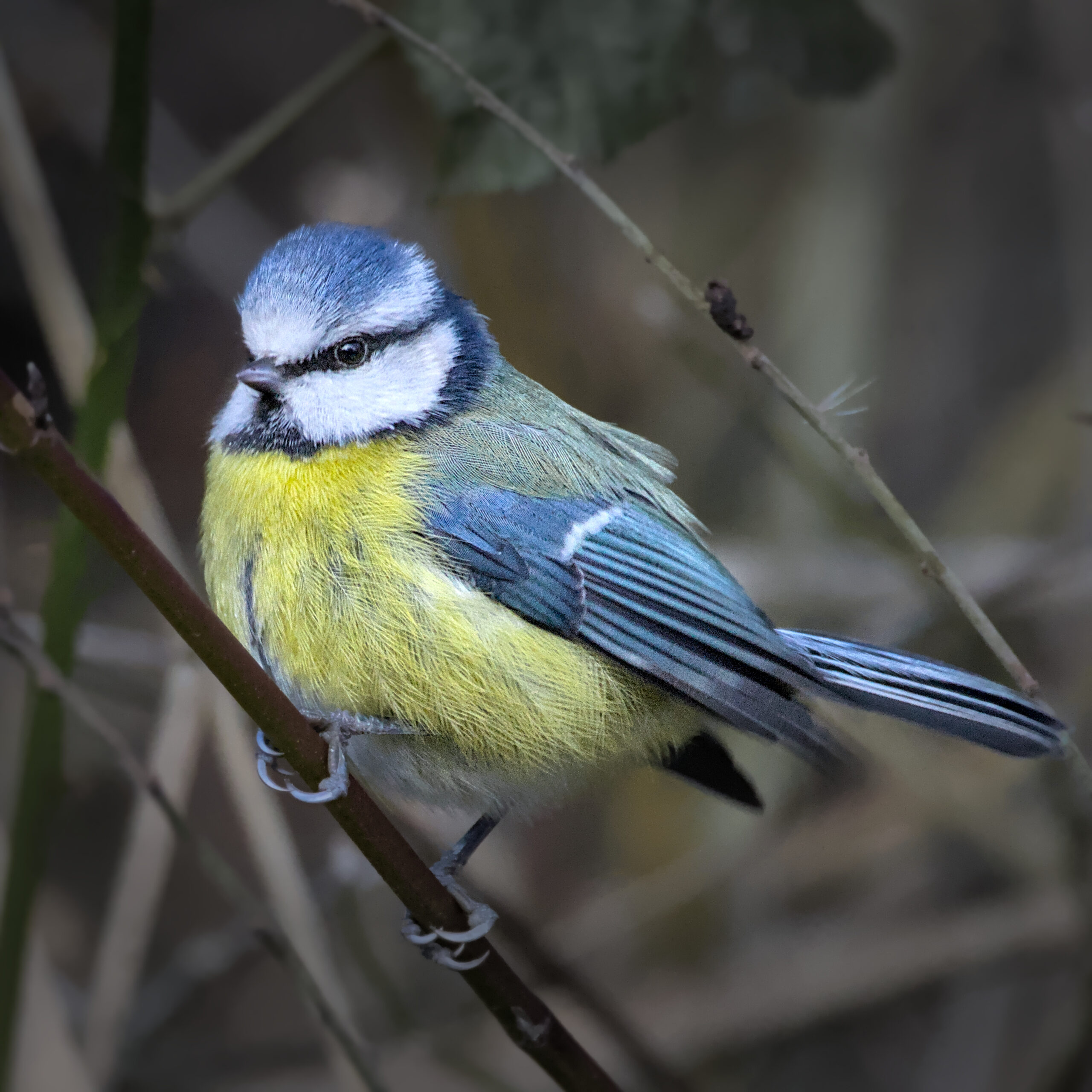
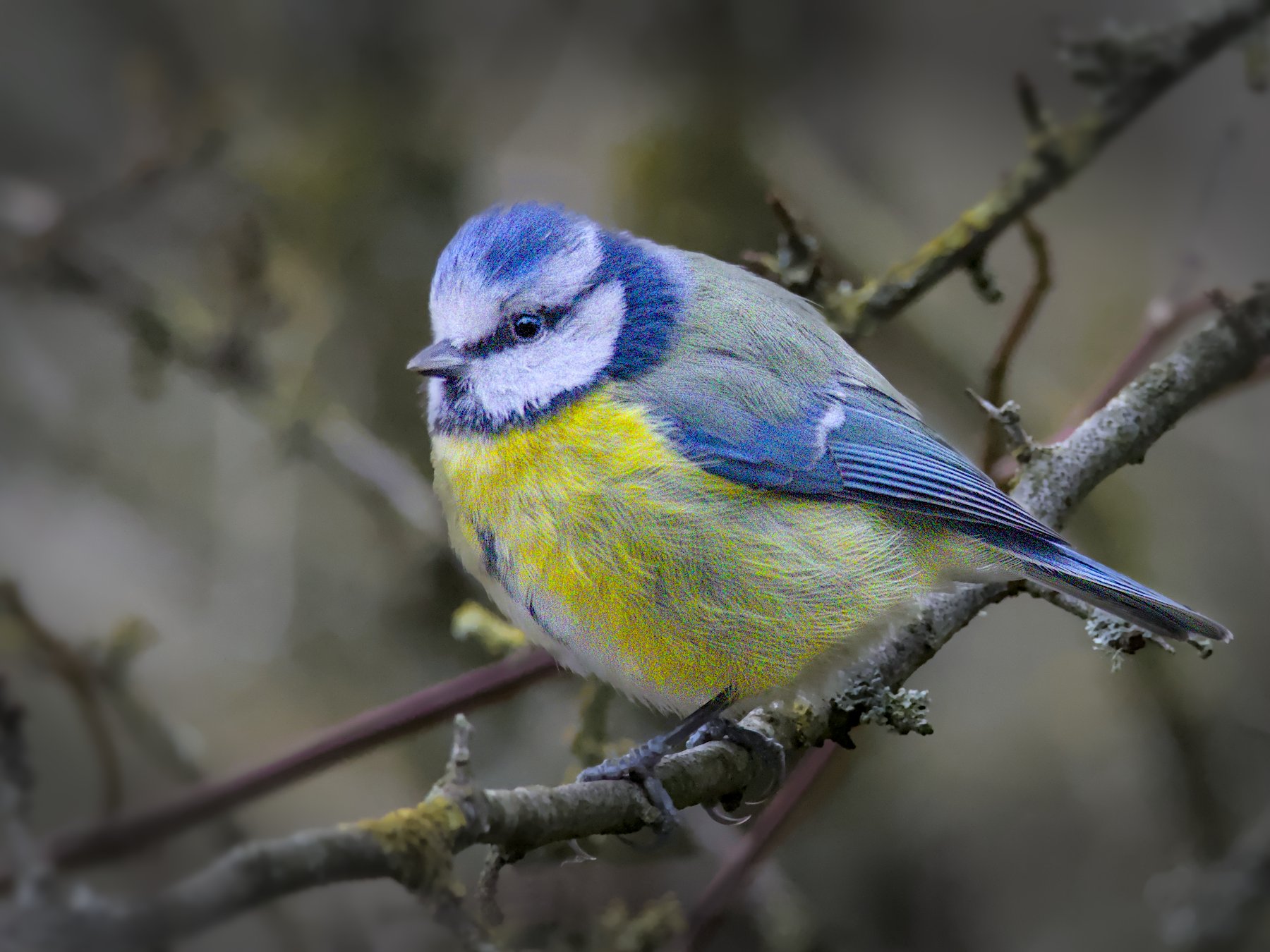
Blue Tit — Cyanistes caeruleus Common names: Blue Tit, Tom Tit (old English)
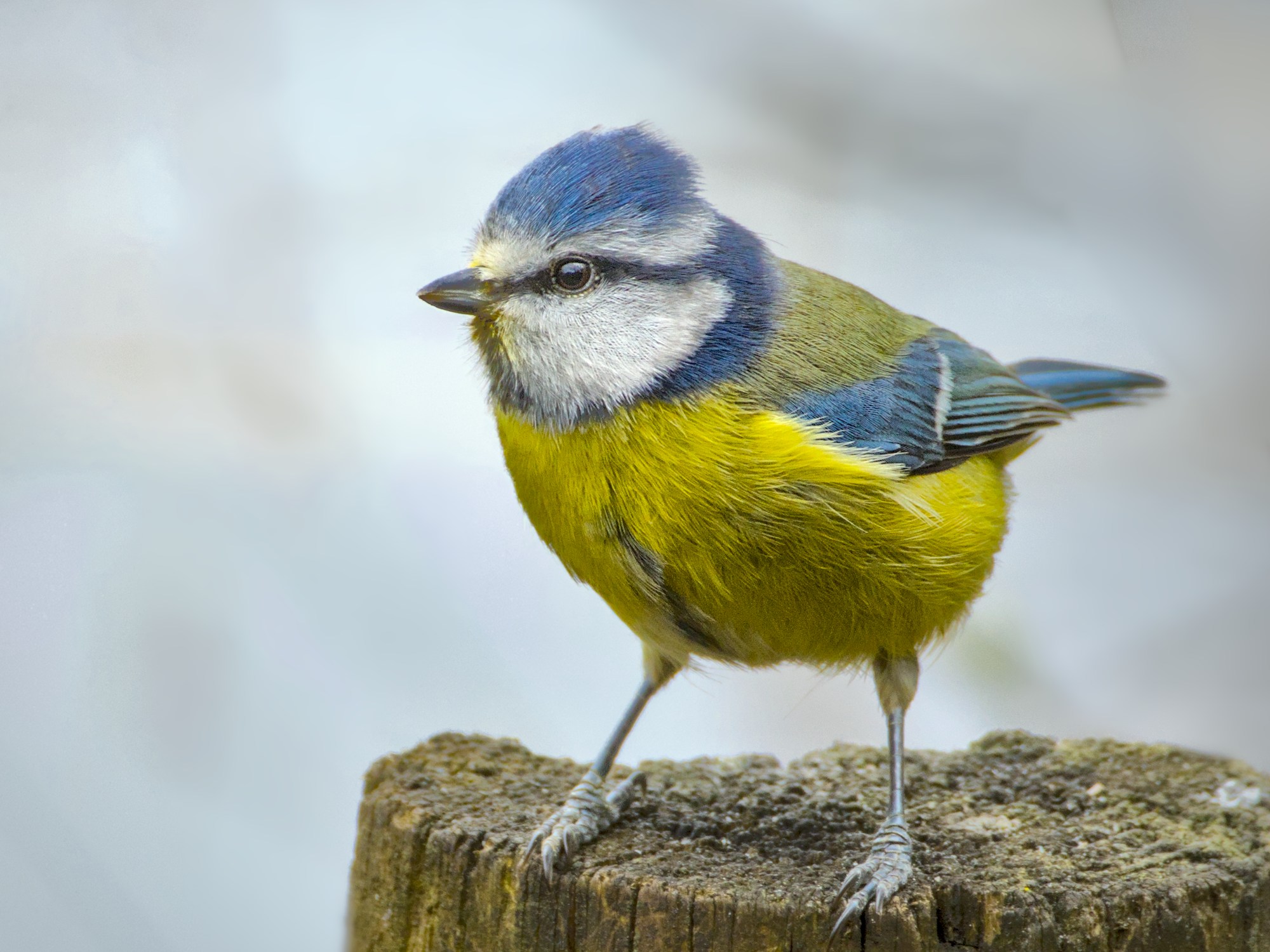
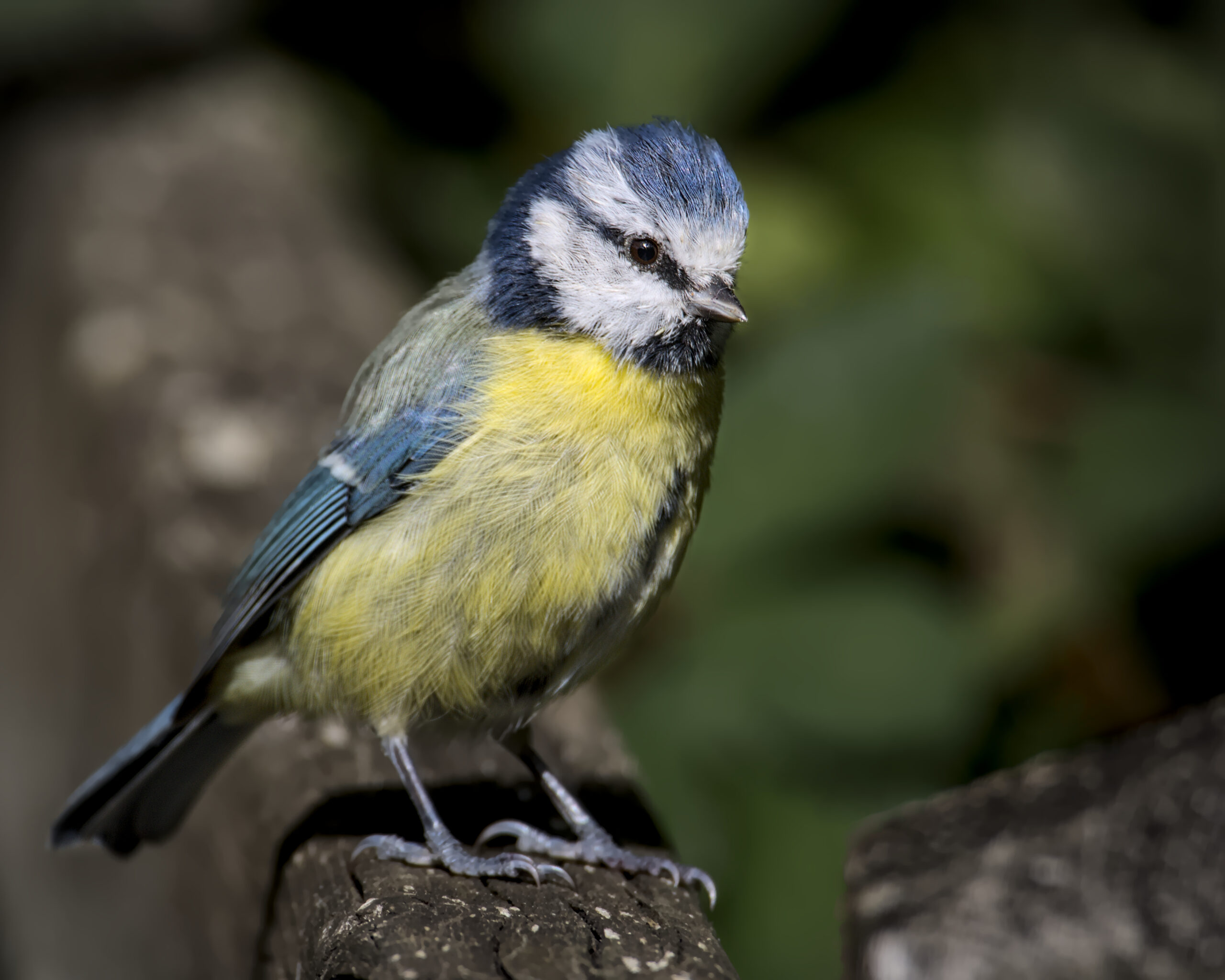
One of Britain’s most recognisable and best-loved garden birds, the Blue Tit is a masterclass in compact perfection — vivid cobalt blue cap, sunshine yellow underparts, white cheeks framed by dark blue lines, and wings of blue-green. Despite being genuinely one of the most beautiful small birds in Europe, its abundance means it is chronically underappreciated. Hopefully this gallery goes some way toward rectifying that.
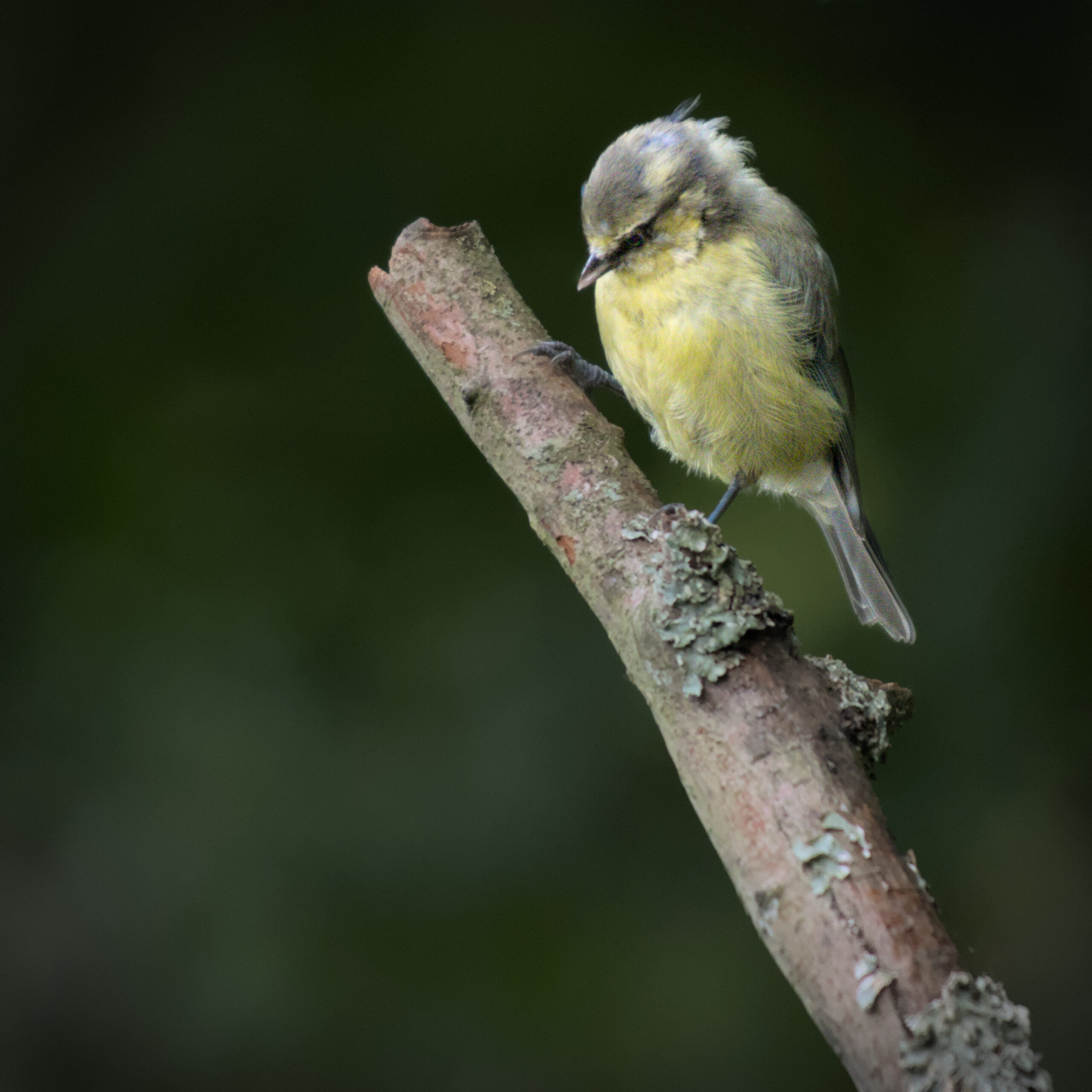
Size & Appearance At just 12cm long and weighing around 11g — roughly the weight of a 50p coin — the Blue Tit is tiny but immensely characterful. Males and females are similar in appearance, though males tend to have a slightly brighter blue cap. Juveniles, visible in some of the gallery images, are notably yellower and have washed-out, greenish-grey caps rather than blue — giving them a rather dishevelled charm of their own.
Habitat Blue Tits are extraordinarily adaptable and are found across almost the entire UK — from dense woodland to suburban gardens, hedgerows, parks, and scrub. They show a particular affinity for deciduous woodland, especially oak, where the caterpillar supply in spring is unmatched. Gardens with mature trees, nest boxes, and bird feeders are also prime habitat, which is why so many of us have daily encounters with them without ever really stopping to look.
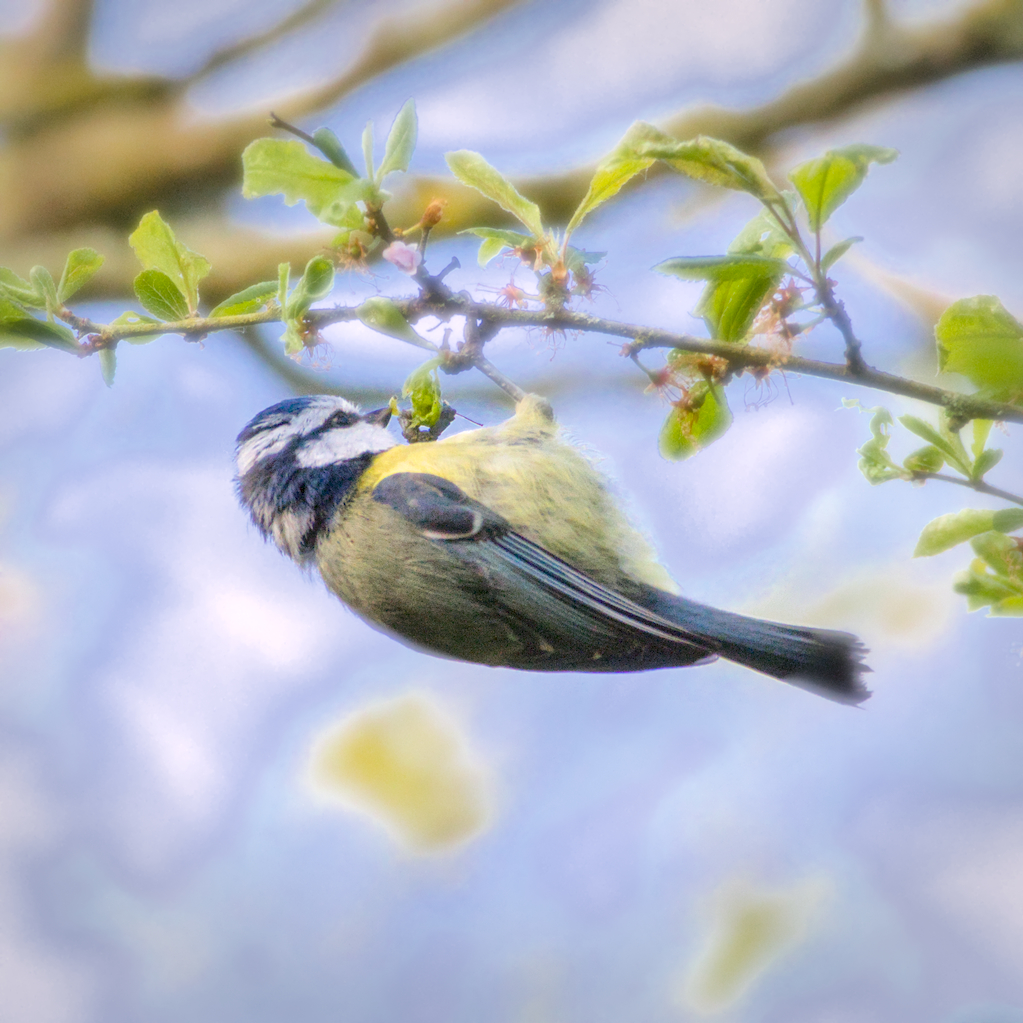
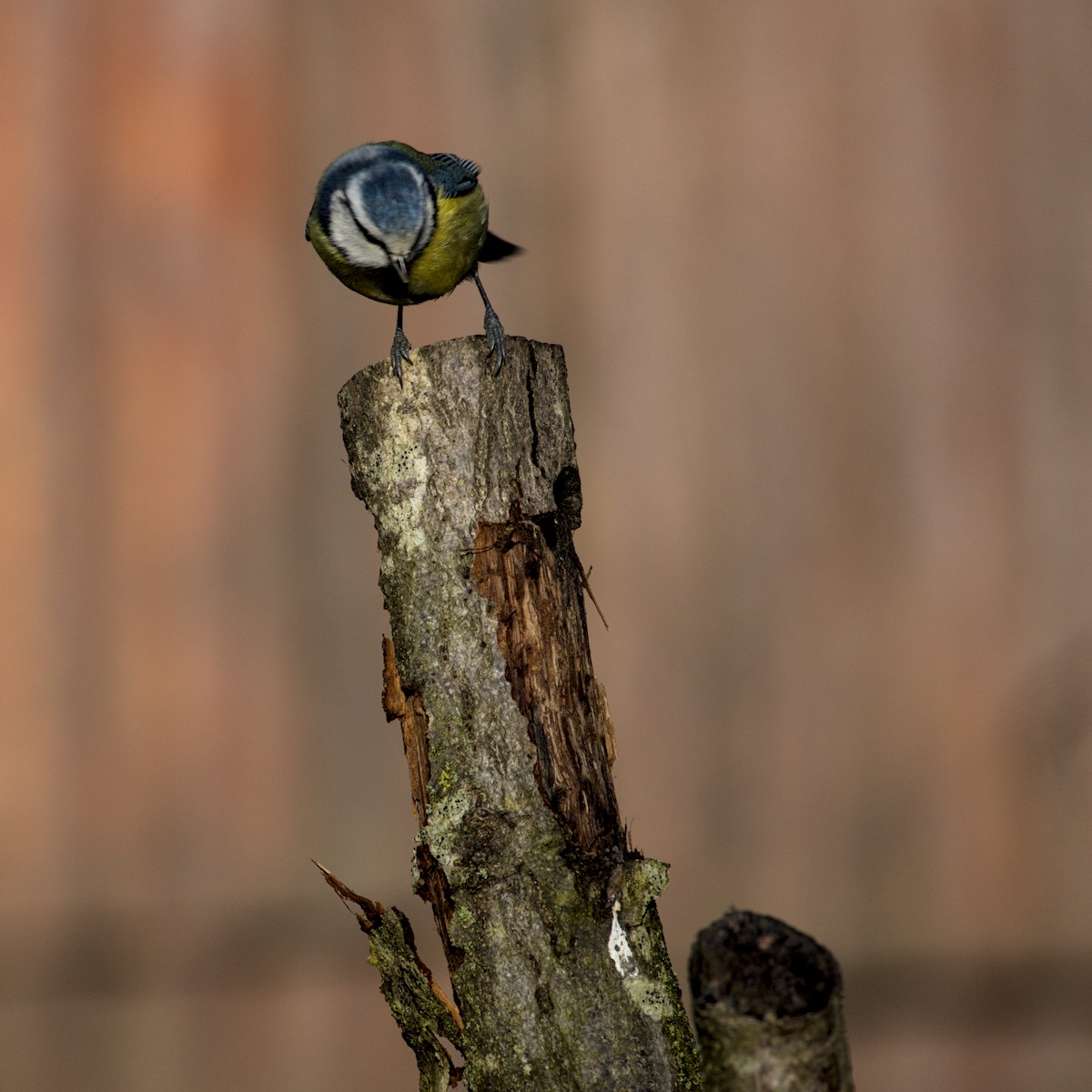
Diet & Feeding Primarily insectivorous during the breeding season, Blue Tits are acrobatic and inventive feeders — famously hanging upside down from the tips of branches to reach insects and larvae that other birds can’t access. In winter they shift to seeds, berries, and fat — hence their enthusiasm for garden feeders. The berries visible in the featured image are likely sloe (Prunus spinosa — blackthorn), a winter favourite. Blue Tits are also well known for their intelligence, famously learning in the mid-20th century to pierce the foil tops of milk bottles to reach the cream — a behaviour that spread rapidly across the country through social learning.
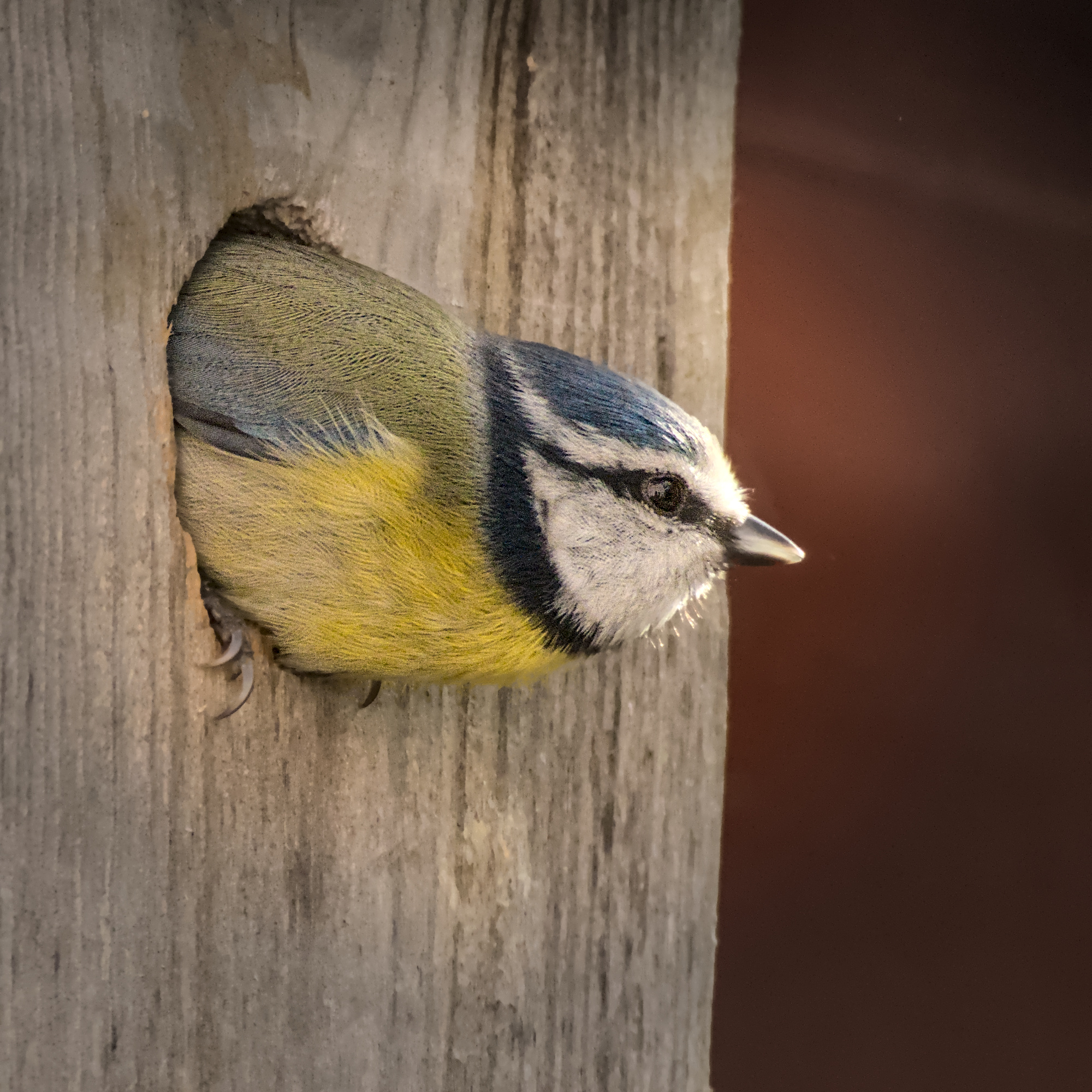
Breeding & Nesting Blue Tits are cavity nesters, using holes in trees, walls, or nest boxes — as beautifully illustrated by the nest box images in this gallery. Nest building begins in April, with the female constructing a deep cup of moss, grass, and feathers. Clutch sizes are famously large — typically 8–12 eggs, though clutches of up to 16 have been recorded. The timing of egg laying is precisely synchronised with the peak emergence of oak caterpillars, which provide the protein-rich food the chicks need. A single brood of Blue Tit chicks can consume hundreds of caterpillars a day.
Incubation lasts around 14 days, and chicks fledge at approximately 18–21 days old. Both parents feed the young, making extraordinary numbers of visits to the nest each day at peak demand.
Seasonal Behaviour Blue Tits are resident in the UK year-round, though they become considerably more visible in winter when they join roving mixed flocks with other tit species, treecreepers, and goldcrests — moving through woodland and gardens together for safety in numbers. On cold days they fluff their feathers to trap insulating air close to the body — exactly the behaviour captured so beautifully in the “Fluffed for the Cold” featured image and several others in this gallery. Despite their small size, Blue Tits are remarkably hardy, surviving temperatures well below freezing.
Population & Conservation With an estimated UK breeding population of around 3.5 million pairs, the Blue Tit is one of our most abundant birds. It is on the Green List of conservation concern — meaning it is not currently at risk. However, long-term monitoring suggests some population pressures linked to climate change, as warming springs can cause a mismatch between chick hatching and caterpillar peak — a reminder that even our most familiar species are not immune to environmental change.
- Scientific name: Cyanistes caeruleus
- Common name: Blue Tit
- Family: Paridae (tit family)
- Length: 12cm
- Wingspan: 17–20cm
- Weight: 9–12g
- UK Status: Green List; very common resident
- Season: Year-round; most visible at feeders October–March
- Habitat: Woodland, gardens, hedgerows, parks — almost anywhere with trees
- Clutch size: 8–12 eggs (one brood per year)
- Lifespan: Typically 2–3 years in the wild; maximum recorded around 10 years