
I recently took an interest in both grasses in seed / pollen, and insect macro photography. I didn’t have a huge amount of success with either, although will share some macro insect photos shortly, but while photographing some grass the other day, I spotted a bug resting, or feeding. And that got me a little hooked, and I’ve been hunting for bugs on grasses since. This is today’s photos from a trip to Phyllis Currie Nature Reserve in Essex, which has a lovely meadow area with a great mixture of grasses and flowers.
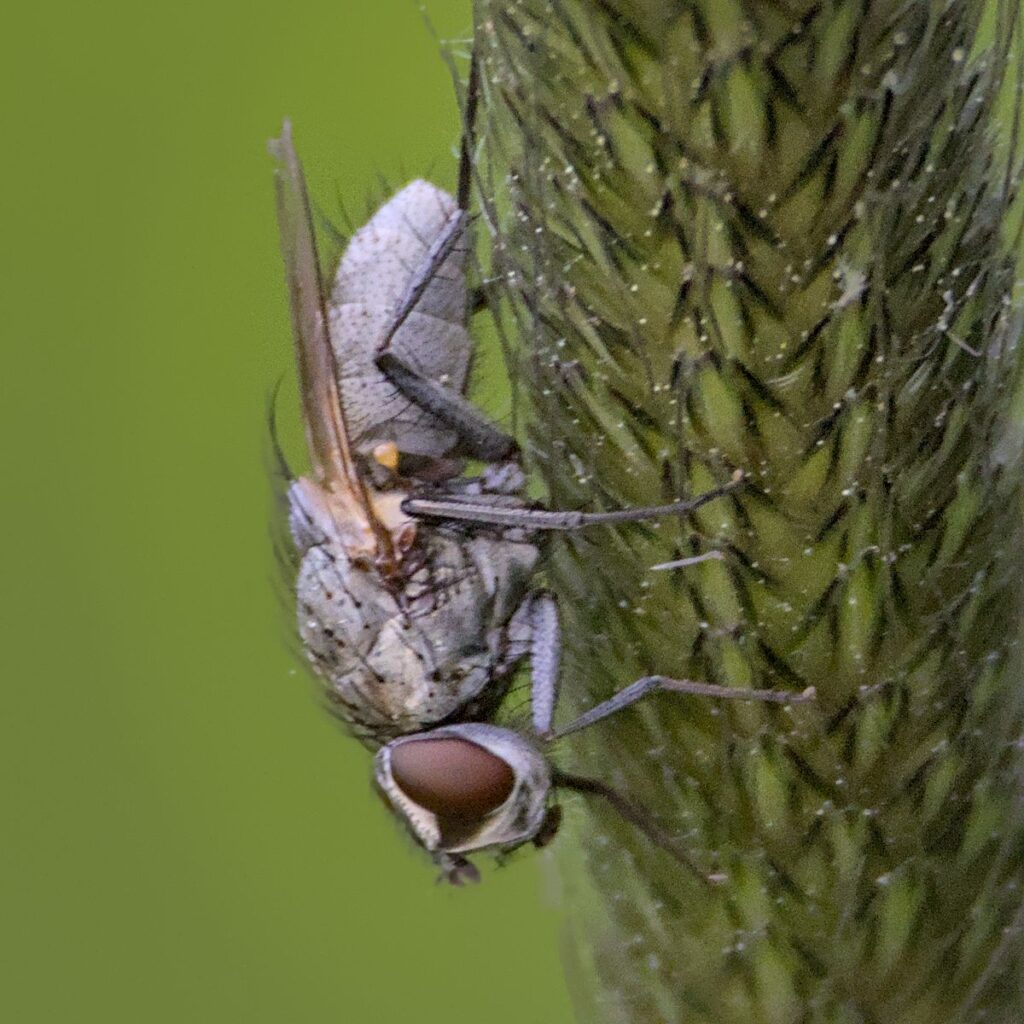
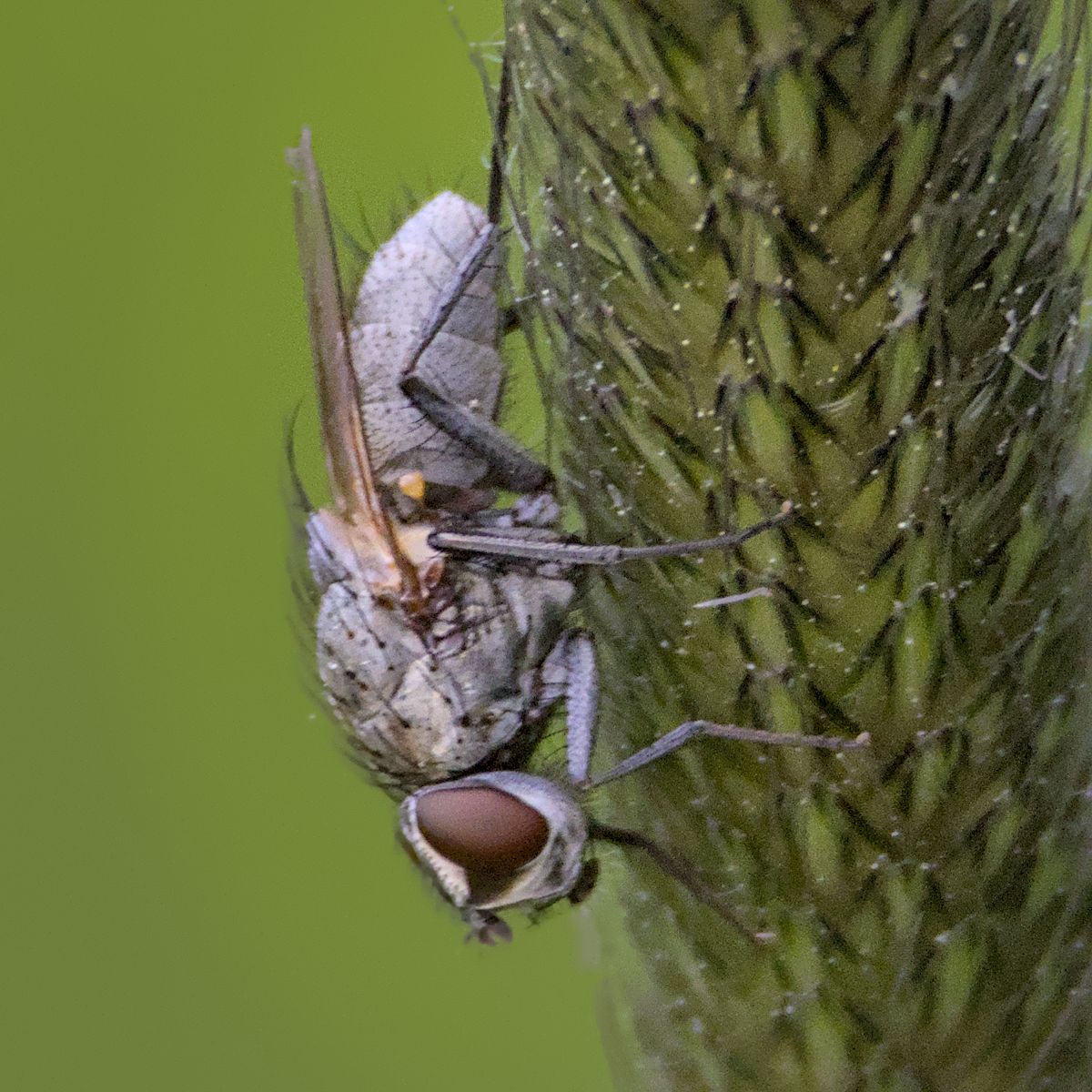
I mostly photograph with a Canon R7 and the RF 100-400mm lens. I find this a great combo for this sort of pseudo macro photography, as you don’t have to get so close to get a good capture, so less likely to frighten the little bugs. Because the one on the Timothy grass came out so sharp, I cropped heavily for that macro view.
What I most enjoyed about today was the freedom to spend time enjoying the meadow, while surrounded by bird song and buzzing insects at the close of the day. Why? Well, when I was younger I suffered terrible hayfever, which was so bad I often stayed indoors at this time of year. One of the advantages of being in my fifties seems to be that my body has finally overcome my pollen allergy. Everything else falling apart, but I am no longer debilitated by a bit of pollen. Timothy grass is considered by hayfever sufferers to be one of the most evil grasses in the known universe.
So, what are we looking at? I’ve used some ID tools to help, but not sure if they are 100% correct.
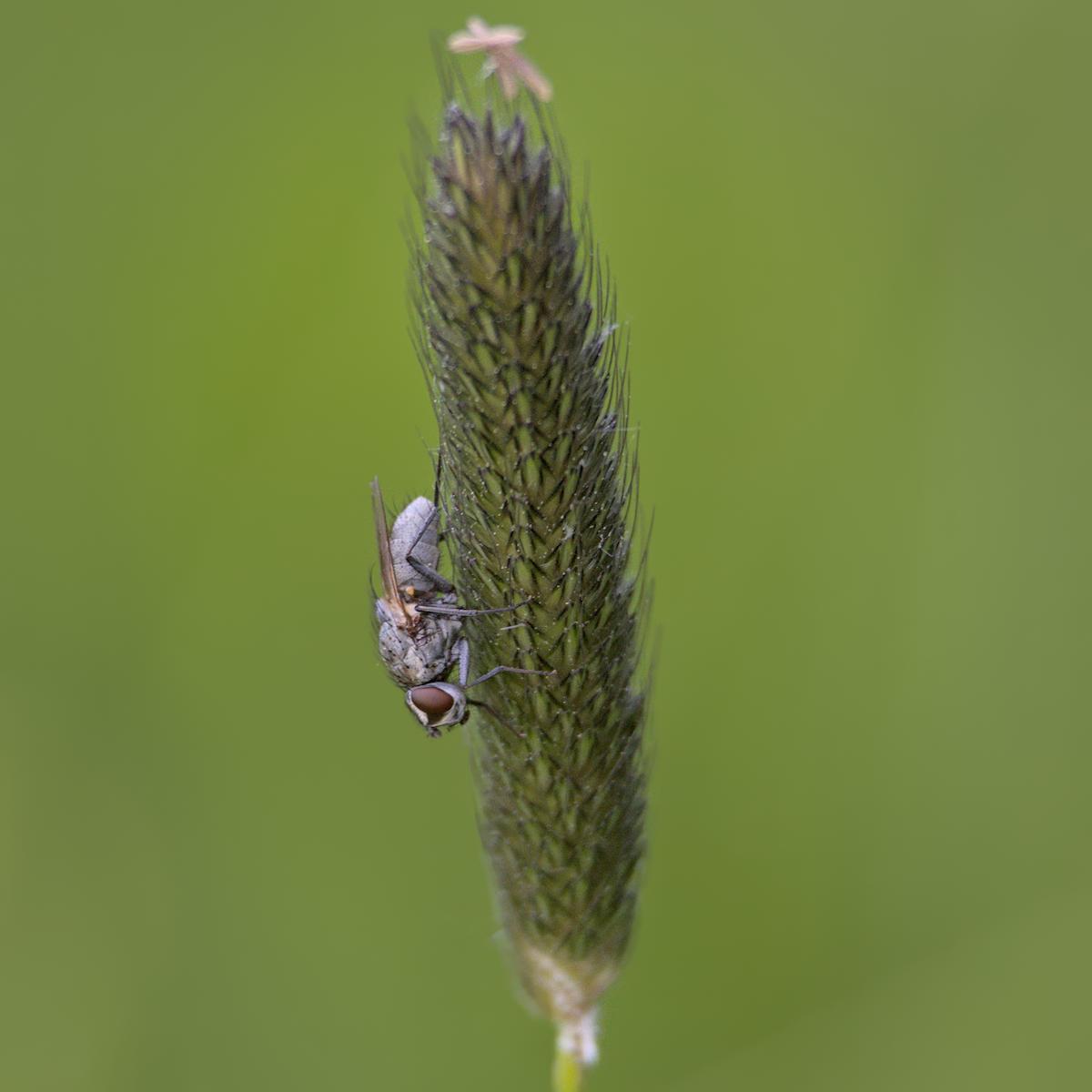
Image 1 & 2 — Fly on Timothy Grass
(same subject, Image 1 cropped for detail)
The Plant
Timothy Grass — Phleum pratense
One of Britain’s most common and widespread grasses, Timothy is a familiar sight across meadows, road verges, and rough grassland throughout the UK. The dense, cylindrical spike is unmistakable — tightly packed and bristly when green, softening as it matures. It flowers from June through August and is named after American farmer Timothy Hanson, who promoted it as a hay crop in the 18th century. It thrives on a wide range of soils and is actively sown in agricultural grassland mixes, though it’s equally at home in wild meadows.
The Insect
Root-maggot Fly — family Anthomyiidae (provisional ID — see note)
The slender, elongated body, relatively sparse bristling, grey colouration, long legs, and flat wing resting posture all point toward Anthomyiidae — the root-maggot flies — a large and frequently overlooked family with over 250 species recorded in Britain. Tachinidae was initially considered given the bristly appearance, but the overall build is too slender and delicate for that family. Adults are commonly found on grassland vegetation, feeding on pollen and nectar, which explains the choice of Timothy grass perfectly. Larvae of most species feed in plant roots, stems, or decaying organic matter.
- Season: May–August
- Habitat: Meadows, hedgerows, rough grassland, woodland edges
- UK Status: Common and widespread
- ⚠️ ID Note: We are not experts in fly identification, and Anthomyiidae, Muscidae and Tachinidae can be extremely difficult to separate without microscopic examination. This is our best guess based on visible features. If you can help with a more precise identification, please leave a comment — we’d love to hear from you! Alternatively, records can be submitted to iRecord or the UK Diptera Facebook group for expert review.
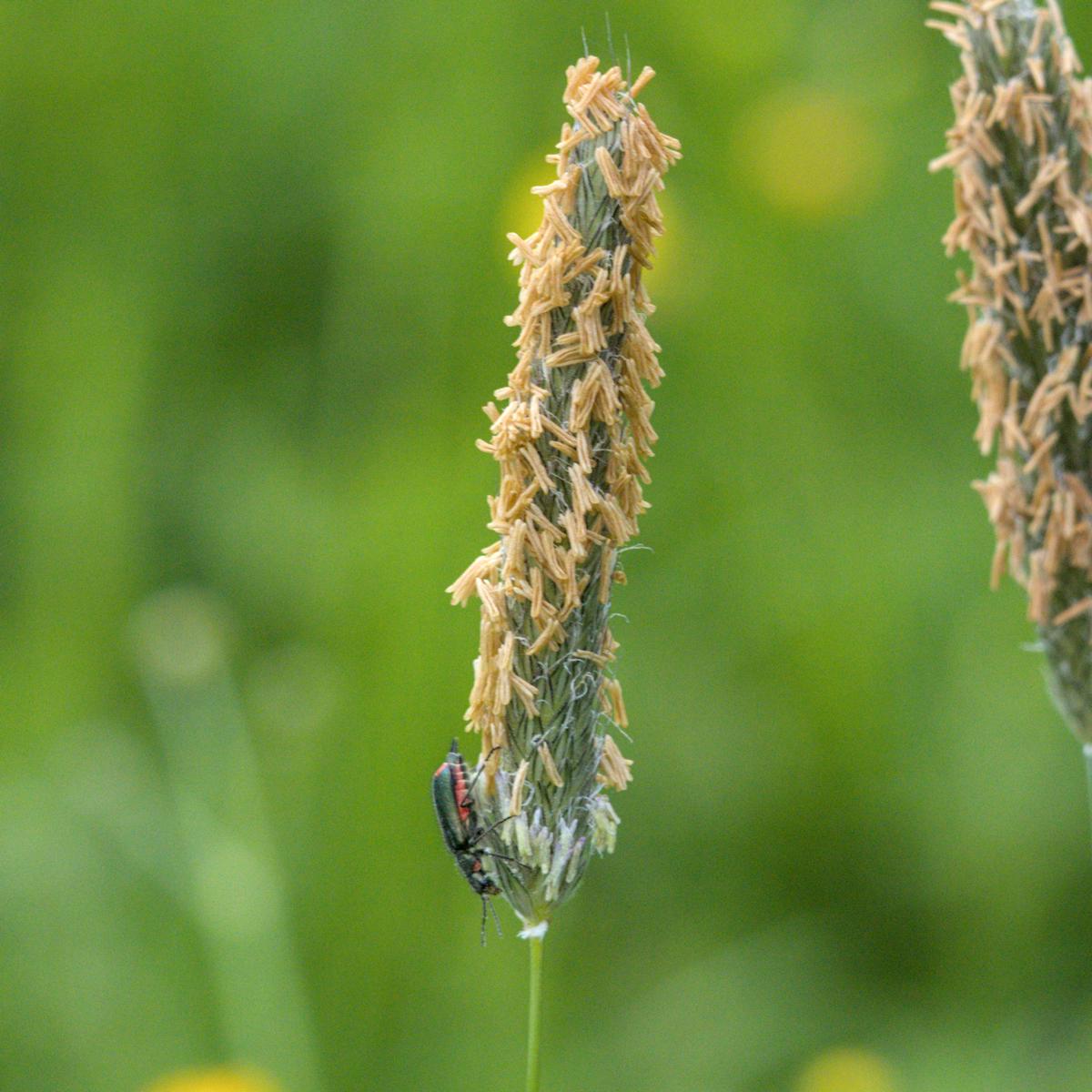
Image 3 — Red & Black Bug on Timothy Grass (in flower)
The Plant
Again Timothy Grass — Phleum pratense — here captured at a slightly later or more advanced flowering stage, with the anthers fully extended and shedding pollen, giving it that golden, feathery appearance.
The Insect
Rhopalid Bug — Corizus hyoscyami (provisional ID — see note)
The bold red and black colouration is very distinctive and points strongly toward Corizus hyoscyami, a member of the family Rhopalidae (scentless plant bugs). It’s a handsome species that has become considerably more common and widespread in southern England over the past two decades, likely aided by climate warming. Despite its occasional common name referencing squash bugs, it feeds on a range of herbaceous plants and is often found resting or feeding on grasses and wildflowers in meadows. Given our location in Kent, this is a very plausible find.
- Scientific name: Corizus hyoscyami
- Common name: Rhopalid Bug / Scarlet-and-black Bug
- Season: Adults May–October; overwinters as adult
- Habitat: Dry grassland, chalk downland, coastal scrub, rough meadows
- UK distribution: Predominantly southern England, spreading northward
- UK Status: Locally common in the south; a notable range expander
- ⚠️ ID Note: While the colouration is highly characteristic, we are not experts and would welcome confirmation. Other red and black bugs do occur in the UK, so if you’re confident in — or can correct — this identification, please do leave a comment!
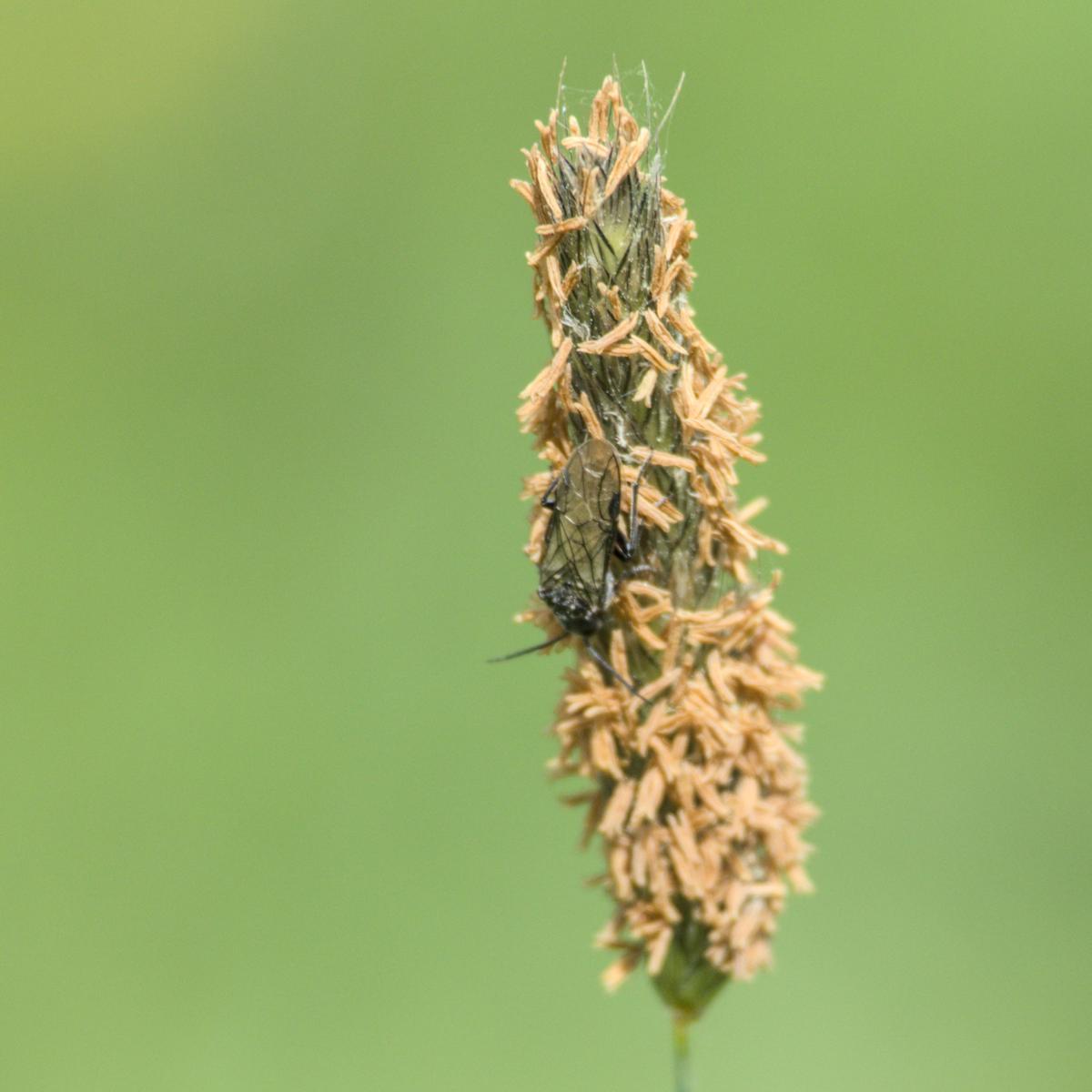
Image 4 — Dark Insect on Ripe Timothy Grass
The Plant
Timothy Grass — Phleum pratense — now fully ripened and past peak flowering, with the anthers shed and the spike taking on its characteristic dry, straw-coloured appearance.
The Insect
Dance Fly or small Tachinid — family Empididae or Tachinidae (uncertain ID — see note)
This is the most challenging identification of the set. The insect is small, dark, and largely obscured by the grass structure. The slender body and wing profile suggest either a dance fly (Empididae) — a predatory group very common in grassland with over 300 UK species — or possibly a small tachinid or muscid fly. Without a clear lateral view of the head, face, and leg structure, we simply can’t be confident even at family level.
- Season: May–August depending on species
- Habitat: Meadows, grassland, hedgerow margins
- ⚠️ ID Note: We’ll be honest — this one has us stumped beyond a broad “small dark fly”! If you can identify it from this image, you’re doing better than us. We’d genuinely love a steer in the comments, or feel free to have a go on iNaturalist where the community is brilliant at these tricky ones.
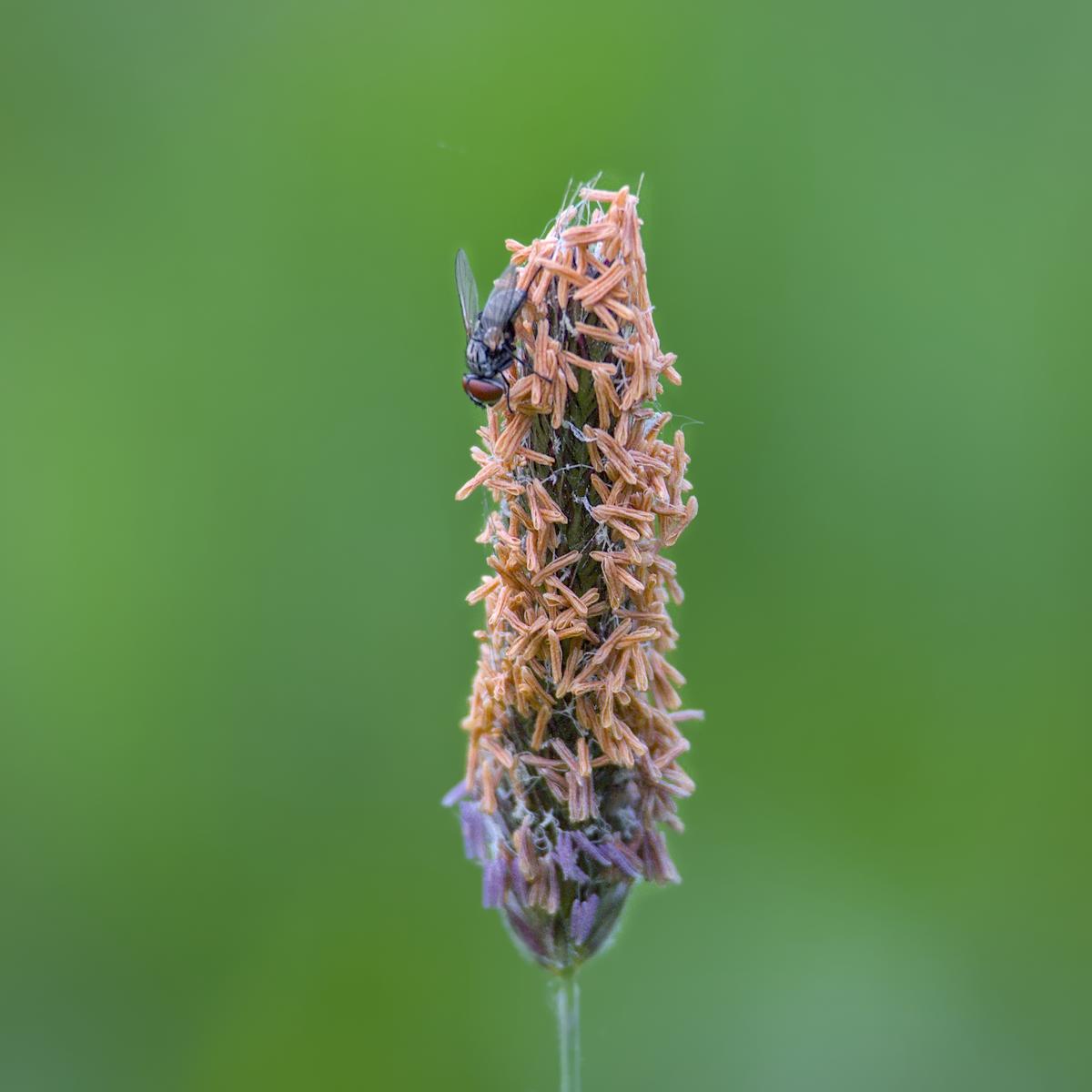
Image 5 — Fly on Hoary Plantain
The Plant
Hoary Plantain — Plantago media
A real wildflower meadow gem, and a lovely change of pace from the grasses elsewhere in this gallery. Hoary Plantain is distinguished from the more common Ribwort Plantain by its broader, oval leaves pressed close to the ground in a rosette, and its exquisite flower spikes — densely packed with tiny florets bearing those beautiful pinkish-lilac anthers that give it such a warm, soft appearance. It’s a plant of old, unimproved grassland — particularly on chalk and limestone — and is considered a good indicator species of traditional meadow habitat. Given our location on the chalk of the Kent Downs near Folkestone, it feels right at home here.
- Scientific name: Plantago media
- Common name: Hoary Plantain
- Season: Flowers May–August
- Habitat: Chalk and limestone grassland, old meadows, road verges on calcareous soils
- UK Status: Locally common; a reliable indicator of ancient, unimproved grassland
The Insect
Small Fly — possibly Anthomyiidae or Muscidae (provisional ID — see note)
Small, dark, and compact with reddish-brown eyes — sharing several characteristics with the fly in images 1 and 2, though appearing somewhat smaller and darker overall. The body shape and eye colour are broadly consistent with either a root-maggot fly (Anthomyiidae) or a muscid (house fly family, Muscidae). Hoary Plantain is genuinely attractive to small flies and other pollinators — the pollen-rich anthers are an easy and rewarding food source — so finding one nectaring here is entirely expected.
- Season: May–August
- Habitat: Chalk grassland, unimproved meadows
- ⚠️ ID Note: As with the flies elsewhere in this gallery, we’re working at the limits of our knowledge here. Muscidae and Anthomyiidae are notoriously difficult to separate even for specialists, and confident identification really requires microscopic examination of key features. If you’re a dipterist or can shed any light, we’d be very grateful for a comment!